



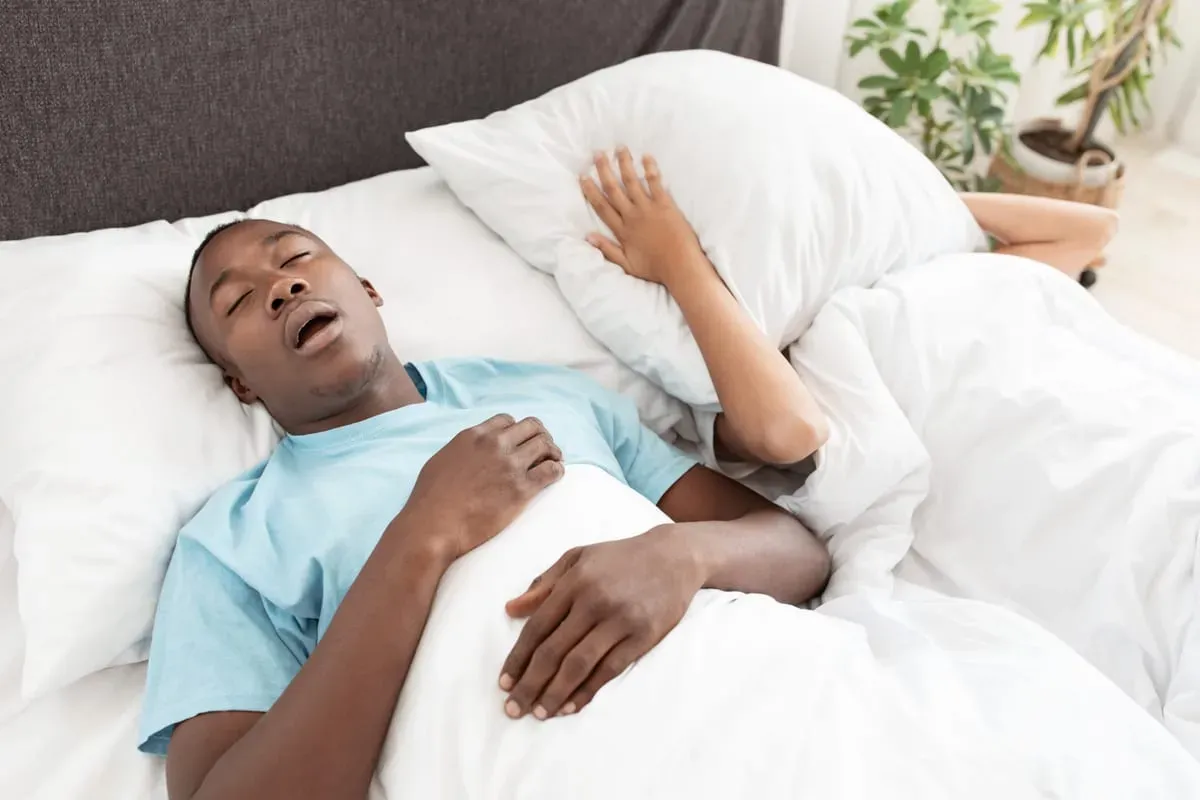
If you wake up exhausted no matter how many hours you spent in bed, or if a partner has mentioned that your snoring seems to stop and start throughout the night, you may be living with obstructive sleep apnea and not even know it. It's a condition millions of adults quietly manage - or don't manage at all - because they assume snoring is just an annoyance rather than a medical sign worth investigating.
What surprises many patients is that dentistry plays a meaningful role in treating this condition. Beyond cleanings and checkups, a dental team trained in sleep medicine can screen for warning signs, coordinate with sleep physicians, and provide custom oral appliances that keep the airway open through the night. For patients who find CPAP machines cumbersome or difficult to tolerate, this is often a welcome alternative.
This article walks through what sleep apnea actually is, how it's diagnosed, what treatment options exist - including the dental side of care - and what to expect if you decide to pursue treatment. Our goal is to help you understand your options clearly enough to have an informed conversation with your dentist or physician.
What Sleep Apnea Actually Is and Why It Matters
Obstructive sleep apnea (OSA) occurs when the soft tissues at the back of the throat relax during sleep and partially or fully block the airway. Breathing pauses, the brain senses the drop in oxygen, and it briefly rouses you - often without you ever fully waking up - so normal breathing can resume. This cycle can repeat dozens or even hundreds of times a night, fragmenting sleep so thoroughly that deep, restorative rest becomes nearly impossible.
The consequences extend well beyond daytime grogginess. Chronic sleep apnea has been linked to high blood pressure, heart arrhythmias, stroke risk, type 2 diabetes, and mood disorders including depression and anxiety. It can also affect concentration and reaction time enough to raise the risk of workplace accidents and drowsy driving. Because the condition develops gradually, many people adapt to feeling tired without realizing how much better they could feel with treatment.
Dentists are often in a unique position to catch early signs of OSA. Regular six-month visits give us a recurring look at the mouth, jaw, tongue, and throat - anatomy directly tied to airway health - long before many patients ever mention sleep problems to their physician.
Warning Signs Your Dentist Looks For
During a routine exam, several physical clues can suggest an increased risk of sleep-disordered breathing. None of these signs alone confirms a diagnosis, but together they often prompt us to ask more detailed questions about how you sleep and how you feel during the day.
- Worn or fractured teeth: Nighttime teeth grinding, or bruxism, frequently accompanies airway obstruction as the jaw attempts to reposition itself for better airflow.
- A scalloped tongue: Indentations along the edges of the tongue can indicate it presses against the teeth, often correlated with a smaller or more crowded airway space.
- A narrow or recessed jaw: A smaller lower jaw can crowd the airway space, making obstruction more likely during sleep when muscles relax.
- Enlarged tonsils or a low soft palate: Extra soft tissue in the throat reduces available airway space, especially when lying flat.
- Reports of loud snoring or witnessed gasping: A bed partner's observations are often the single most useful clue we can gather during a conversation.
How Sleep Apnea Is Diagnosed
A dentist cannot formally diagnose sleep apnea - that requires a physician or board-certified sleep specialist - but we can play an important role in identifying candidates for testing and coordinating care once a diagnosis is made. If our exam and your reported symptoms point toward a likely airway issue, we'll typically recommend a referral for a sleep study, which is the diagnostic gold standard.
Sleep studies come in two general forms. An in-lab polysomnogram involves spending a night at a sleep center while sensors track breathing, oxygen levels, heart rate, and brain activity. A home sleep apnea test uses a simplified, portable device you wear overnight in your own bed, which is often more comfortable and increasingly common for straightforward cases. The results determine whether you have OSA and how severe it is, measured by the number of breathing interruptions per hour of sleep.
Once a diagnosis and severity level are established, your physician and dentist can work together to determine the most appropriate treatment path - which, for many patients with mild to moderate OSA, includes dental oral appliance therapy.
Oral Appliance Therapy: A Dental Approach to Treatment
Oral appliance therapy is one of the primary ways dentists contribute directly to sleep apnea treatment. A custom-fitted device, worn in the mouth during sleep much like a nightguard, gently repositions the lower jaw and tongue forward. This shift opens the airway at the back of the throat, reducing the collapsing and vibration of soft tissue that causes both snoring and breathing interruptions.
Unlike the generic devices sold over the counter, a dentist-fabricated appliance is built from precise impressions or digital scans of your mouth, ensuring a secure, comfortable fit that won't shift or loosen overnight. The appliance is adjustable, allowing incremental changes to jaw position as we fine-tune it to your specific anatomy and monitor how well it's controlling symptoms.
Who Is a Good Candidate?
Oral appliance therapy is most often recommended for patients with mild to moderate obstructive sleep apnea, or for those with more severe OSA who cannot tolerate CPAP therapy. It's also frequently used as a first-line treatment for primary snoring that hasn't yet been confirmed as sleep apnea. A follow-up sleep study after fitting is usually recommended to confirm the appliance is effectively reducing breathing interruptions, since comfort and effectiveness aren't always the same thing.
Other Treatment Paths and How They Compare
Continuous positive airway pressure, or CPAP, remains the most studied and often most effective treatment for moderate to severe sleep apnea. A CPAP machine delivers a steady stream of pressurized air through a mask, physically holding the airway open all night. It's highly effective when used consistently, but many patients struggle with the mask, the noise, or the feeling of being tethered to a machine, and inconsistent use significantly reduces its benefit.
For some patients, lifestyle changes make a meaningful difference alongside - or sometimes instead of - a device. Weight loss can reduce soft tissue around the airway, sleeping on your side rather than your back limits gravity's effect on the tongue and soft palate, and reducing alcohol or sedative use before bed helps prevent excessive muscle relaxation in the throat. In cases involving structural issues like significantly enlarged tonsils or severe jaw misalignment, a physician may recommend surgical options, though these are typically considered after more conservative treatments haven't provided sufficient relief.
Many patients find the best results come from a combined approach - for example, using an oral appliance alongside positional therapy and modest weight loss. Your dentist and physician can help you weigh these options based on your severity level, anatomy, and personal preferences.
What to Expect When You Start Treatment
Treatment typically begins with a detailed consultation where we review your sleep study results, discuss your symptoms, and examine your bite, jaw joint, and airway anatomy. If oral appliance therapy is appropriate, we'll take digital scans or impressions of your teeth to design a custom device, which is fabricated in a dental lab and usually ready within a few weeks.
At your fitting appointment, we'll check the appliance for comfort and proper positioning, then walk you through insertion, removal, and cleaning care. Most patients need a short adjustment period - some mild jaw soreness or increased salivation in the first week or two is common and typically resolves as your mouth adapts. We'll schedule follow-up visits to make small adjustments to the jaw position, ensuring the device is comfortable enough to wear every night, since consistency is what determines its effectiveness.
Ongoing care doesn't stop there. We'll periodically check the appliance for wear, monitor your bite for any subtle changes over time, and coordinate with your physician on follow-up sleep testing to confirm your treatment is working as intended. Sleep apnea management is an ongoing partnership, not a one-time fix.
Key Takeaways
- Sleep apnea is more than loud snoring - it's a medical condition linked to heart disease, stroke risk, and chronic fatigue.
- Dentists often spot early warning signs, like worn teeth or a scalloped tongue, before a formal diagnosis is made.
- A sleep study performed by a physician or sleep specialist is required to confirm a diagnosis.
- Custom oral appliance therapy is an effective, CPAP-alternative treatment for many mild-to-moderate cases.
- Ongoing follow-up care ensures your treatment continues working as your body and appliance adjust over time.
Frequently Asked Questions
Can a dentist treat sleep apnea without a diagnosis from a doctor?
No. A dentist can identify risk factors and recommend testing, but a formal diagnosis and severity classification must come from a physician or sleep specialist based on a sleep study. Once diagnosed, your dentist can provide or coordinate treatment, such as a custom oral appliance.
Is oral appliance therapy as effective as CPAP?
For mild to moderate sleep apnea, oral appliances can be nearly as effective as CPAP, especially when worn consistently. For severe cases, CPAP generally provides stronger results, though an appliance may still be recommended for patients who cannot tolerate a CPAP mask.
Will my dental insurance or medical insurance cover an oral appliance?
Oral appliances for diagnosed sleep apnea are often covered, at least partially, by medical insurance rather than dental insurance, since sleep apnea is classified as a medical condition. Our team can help verify your benefits and explain what documentation is needed for reimbursement.
How long does it take to get used to wearing the appliance?
Most patients adjust within one to two weeks. Mild soreness in the jaw muscles or teeth, along with increased saliva production, is common initially and typically fades as the mouth and jaw adapt to the new position.
Do children get sleep apnea treated by a dentist too?
Pediatric sleep apnea is usually addressed differently, often involving evaluation of enlarged tonsils or adenoids alongside jaw development. If you're concerned about a child's snoring or breathing during sleep, a pediatric dentist or physician can evaluate whether further assessment is needed.
Better Sleep Starts With the Right Conversation
Sleep apnea is a common condition, but it's also a manageable one once it's properly identified and treated. Whether that means a referral for testing, a custom oral appliance, or coordinated care alongside your physician, the goal is always the same: protecting both your long-term health and your quality of life during the hours your body should be recovering, not struggling.
If any of the warning signs described here sound familiar - restless nights, loud snoring, or waking up exhausted despite a full night in bed - it's worth bringing up during your next dental visit. A simple conversation and exam can be the first step toward genuinely restful sleep.