



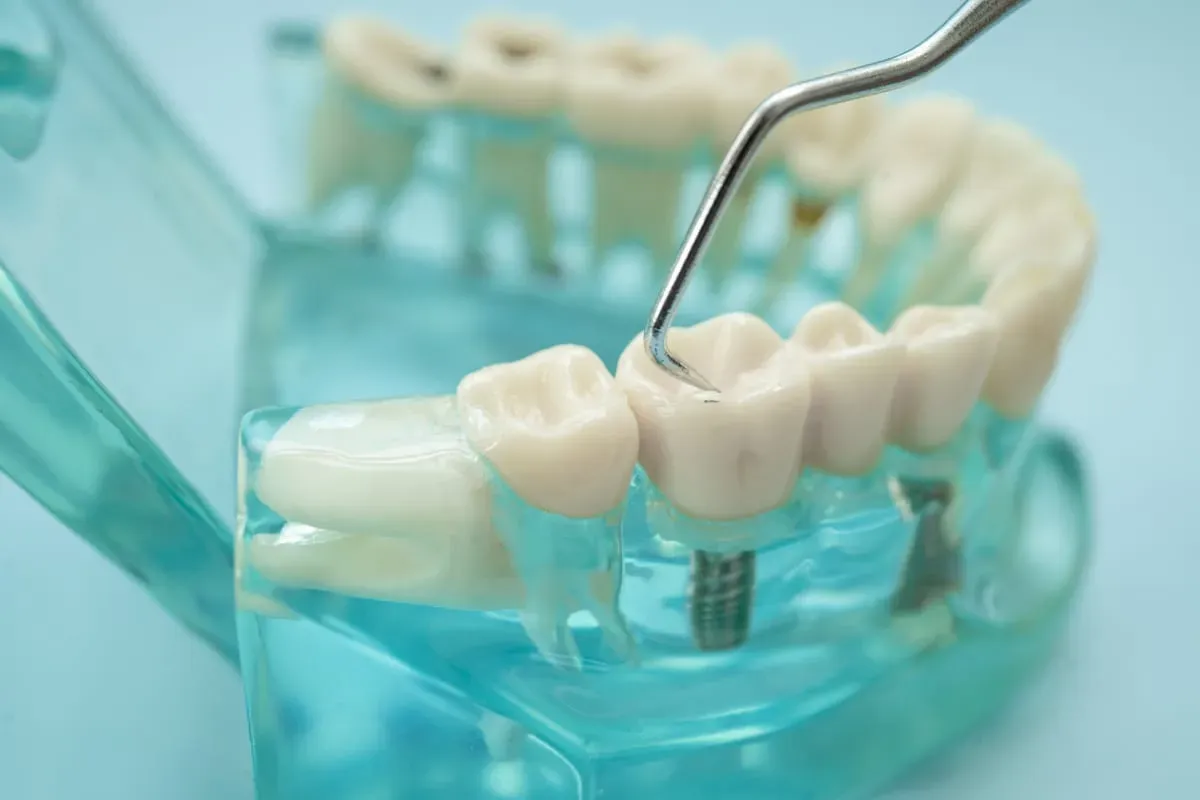
Every smile tells a story of daily use-chewing, speaking, laughing-and over time, even the most diligent brushing and flossing routine can't always prevent decay, wear, fracture, or tooth loss. When damage occurs, restorative dentistry is the branch of dental care dedicated to repairing what's broken and returning your mouth to full, comfortable function. It's one of the most common and most valuable services a dental practice provides, yet many patients don't fully understand what it involves or when it applies to their own situation.
Restorative dentistry isn't a single procedure-it's a whole category of treatments designed to address problems ranging from a small cavity to the complete loss of a tooth. Fillings, crowns, bridges, dental implants, root canal therapy, and dentures all fall under this umbrella. What unites them is a shared goal: rebuild the structure, function, and often the appearance of teeth that have been compromised by decay, trauma, or age.
At Dentistry of Uptown Charlotte, we see restorative work as more than damage control. Done thoughtfully, it protects your bite, prevents further deterioration, and preserves your natural teeth for as long as possible. This article walks through the most common restorative treatments, how to know if you need one, and what to expect along the way.
What Restorative Dentistry Actually Involves
Restorative dentistry refers to any procedure aimed at repairing or replacing damaged, decayed, or missing tooth structure. Its purpose is functional first: restoring the ability to bite, chew, and speak comfortably, and protecting the surrounding teeth and gums from further harm. This distinguishes it from purely cosmetic dentistry, though many restorative treatments-like tooth-colored fillings and porcelain crowns-also happen to look natural and blend seamlessly with the rest of your smile.
The scope of restorative care is broad. It includes simple, single-visit procedures like fillings for small cavities, as well as more involved treatments such as root canals, crowns, bridges, and implant-supported restorations for missing teeth. Some patients need restorative dentistry after an accident or sports injury; others need it because decay went undetected for months or years before symptoms appeared.
A thorough dental exam, often supported by digital X-rays, helps determine exactly which restorative approach is appropriate. Because tooth damage tends to progress if left untreated, addressing problems early usually means simpler, less invasive, and more affordable treatment.
Signs You May Need Restorative Treatment
Tooth damage doesn't always announce itself loudly. Some issues, like a hairline crack or the earliest stage of decay, cause little to no discomfort at first. Others make themselves known immediately through sharp pain or visible breakage. Knowing what to watch for can help you seek care before a minor issue becomes a major one.
- Sensitivity to hot or cold: Lingering discomfort after eating or drinking something hot or cold can signal decay reaching closer to the nerve, or enamel that has thinned or cracked.
- Visible chips, cracks, or dark spots: Any change in the surface of a tooth-an unusual pit, a rough edge, or a dark discoloration-usually indicates structural damage that needs evaluation.
- Pain while chewing: Discomfort specifically when biting down can point to a cracked tooth, a failing old filling, or decay under an existing restoration.
- A missing tooth: Gaps left by extraction or trauma should be addressed-untreated spaces allow neighboring teeth to shift and can accelerate bone loss in the jaw.
- Persistent or throbbing pain: This often indicates the nerve of the tooth is affected, which typically requires root canal therapy to save the tooth.
Common Restorative Treatments Explained
Fillings are the most frequently performed restorative procedure and address small to moderate cavities. After removing decayed material, the dentist fills the cleaned-out space with a tooth-colored composite resin that bonds directly to the tooth, restoring its shape and preventing bacteria from re-entering.
Crowns come into play when a tooth has lost too much structure for a filling to be effective-often due to a large cavity, a large old filling that has failed, or a fracture. A crown is a custom-fitted cap that covers the entire visible portion of the tooth, restoring strength and shape while protecting it from further breakdown.
Root canal therapy becomes necessary when decay or injury reaches the soft tissue (pulp) inside a tooth, causing infection or inflammation. The procedure removes the damaged tissue, cleans and seals the interior of the tooth, and is usually finished with a crown to restore full function. Contrary to its reputation, modern root canal treatment is generally no more uncomfortable than getting a filling.
Bridges and dental implants replace missing teeth. A bridge anchors a replacement tooth to the neighboring teeth, while a dental implant places a titanium post directly into the jawbone to support a standalone crown-often considered the gold standard for tooth replacement because it also helps preserve bone density in the jaw.
Dentures, whether partial or complete, remain an effective and more affordable option for patients missing several or all of their natural teeth, restoring both appearance and the ability to eat a varied diet comfortably.
Choosing the Right Material for Your Restoration
Material choice affects durability, appearance, and cost, and the ideal option often depends on which tooth is being restored and how much force it will endure. Front teeth, which are more visible and bear lighter chewing loads, are frequently restored with tooth-colored composite or porcelain for a natural look. Back teeth, which handle the heavy work of chewing, sometimes call for stronger materials like porcelain-fused-to-metal or zirconia crowns.
Composite resin fillings have largely replaced older amalgam (silver) fillings in modern practice because they bond directly to tooth structure, require less removal of healthy enamel, and match the natural color of teeth. However, amalgam is still occasionally used in certain situations due to its exceptional durability under heavy bite forces.
For crowns and bridges, all-ceramic and zirconia options offer a strong, lifelike appearance without the gray shadow sometimes seen at the gumline with metal-based crowns. Your dentist will walk you through the trade-offs between strength, aesthetics, and cost so you can choose a restoration that fits both your smile and your budget.
What to Expect During Treatment and Recovery
Most restorative procedures are completed under local anesthesia, so discomfort during treatment is minimal. Simple fillings are typically finished in a single visit lasting 30 to 60 minutes, and patients can usually eat normally once the numbness wears off, generally within a few hours.
More involved procedures like crowns, bridges, or implants often require two or more appointments. The first visit prepares the tooth and takes impressions (or digital scans) for a custom-fitted restoration, while a temporary is worn in the meantime. A follow-up visit places the final restoration, checks the bite, and makes any needed adjustments. Implant treatment involves a healing period of several months between placement of the implant post and attachment of the final crown, since the post needs time to fuse securely with the jawbone.
Mild soreness or sensitivity after a restorative procedure is normal and typically fades within a few days. Following your dentist's aftercare guidance-such as avoiding very hard or sticky foods on a new crown for the first day-helps ensure the restoration settles in properly and lasts as long as possible.
How Long Restorations Typically Last
The lifespan of a restoration depends on the material used, the location of the tooth, and how well it's cared for afterward. Composite fillings generally last 5 to 10 years, while crowns often last 10 to 15 years or longer with good maintenance. Dental implants, when properly placed and maintained, can last decades-many patients keep the same implant for the rest of their life.
Regular dental checkups play a big role in extending the life of any restoration. Your dentist can catch early signs of wear, a loosening crown margin, or recurrent decay around the edge of a filling long before it becomes painful or requires a full replacement. Good home care-brushing twice daily, flossing, and avoiding excessive teeth grinding or chewing on very hard objects-also significantly extends how long a restoration will serve you well.
Key Takeaways
- Restorative dentistry repairs decayed, damaged, or missing teeth to restore function, comfort, and structural health.
- Common treatments range from simple fillings to crowns, root canals, bridges, implants, and dentures.
- Early detection of symptoms like sensitivity, chips, or pain leads to simpler, less costly treatment.
- Material choice affects both durability and appearance, with options tailored to each tooth's needs.
- Routine checkups and good home care significantly extend the lifespan of any restoration.
Frequently Asked Questions
Is restorative dentistry painful?
Most restorative procedures are performed with local anesthesia, so you shouldn't feel pain during treatment. Some mild soreness or sensitivity afterward is normal, but it's usually manageable with over-the-counter pain relief and fades within a few days.
How do I know if I need a filling or a crown?
This depends on how much of the tooth's natural structure remains healthy. Small to moderate cavities are typically treated with a filling, while teeth with extensive decay, large cracks, or previous large fillings that have failed usually need the added strength and coverage of a crown. A dental exam and X-rays will confirm which is right for your situation.
Are dental implants better than bridges or dentures?
Implants are often considered the strongest and longest-lasting option because they replace the tooth root as well as the crown, helping preserve jawbone density. However, bridges and dentures remain effective, more budget-friendly alternatives, and the best choice depends on your oral health, bone structure, and personal preferences.
Will my insurance cover restorative treatment?
Many dental insurance plans cover a substantial portion of common restorative procedures like fillings and crowns, especially when they're deemed medically necessary rather than cosmetic. Coverage varies by plan and procedure, so our team can help you understand your benefits and discuss financing options if needed.
Can restorative dentistry also improve the look of my smile?
Yes. While the primary goal is function and health, modern materials like tooth-colored composites and porcelain crowns are designed to blend naturally with your surrounding teeth, so restorative work often improves appearance as a welcome side effect of restoring health.
Protecting Your Smile for the Long Term
Restorative dentistry exists to solve real, everyday problems-cavities that need filling, teeth that need reinforcing, and gaps left by missing teeth that need closing. Understanding the range of treatments available, and recognizing the early warning signs that something needs attention, empowers you to act before a small issue becomes a bigger, more expensive one.
Every mouth is different, and the right restorative plan depends on the specific tooth, the extent of the damage, and your long-term oral health goals. A thorough evaluation is always the best starting point for figuring out which treatment will serve you best, both now and for years to come.