



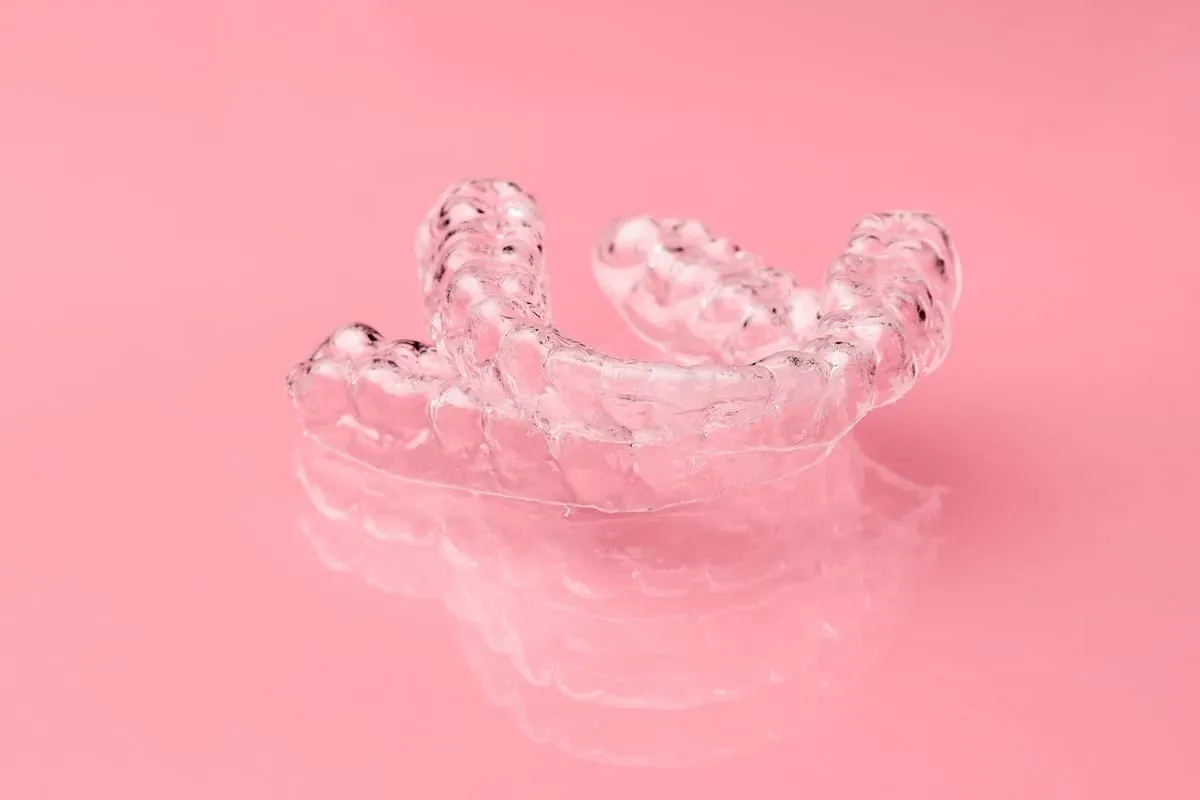
A straighter smile used to mean a mouth full of metal for two years or longer. Today, many adults and teens in Uptown Charlotte are choosing a quieter path: clear aligner therapy, most commonly known by its leading brand, Invisalign. It has become one of the most requested cosmetic and functional treatments in modern dentistry, and for good reason - it addresses crowding, spacing, bite issues, and mild-to-moderate misalignment without the visibility, discomfort, or dietary restrictions of traditional braces.
Still, Invisalign is a real orthodontic treatment, not a cosmetic gadget, and understanding how it works helps patients make an informed decision. Questions about candidacy, cost, comfort, and daily discipline come up constantly in our consultations, and the answers matter because clear aligners only succeed when they are worn correctly and monitored by an experienced provider.
This article walks through what Invisalign actually does inside the mouth, who tends to benefit most, what the process looks like from first scan to final retainer, and the realistic timeline and investment involved. Whether you're exploring options for the first time or comparing Invisalign to traditional braces, this guide should give you a clear, practical foundation.
How Invisalign Actually Moves Your Teeth
Invisalign works on the same biological principle as any orthodontic treatment: teeth move because sustained, gentle pressure remodels the bone and ligament that hold them in place. Instead of brackets and wires applying that pressure continuously, Invisalign uses a series of custom, removable plastic trays - called aligners - each one slightly different from the last. As you progress through the series, every new tray nudges your teeth a fraction of a millimeter closer to their planned final position.
The entire journey is mapped out before treatment even begins. Using a digital scan or impression of your teeth, we generate a 3D model and plan the exact sequence of movements your teeth will make, week by week, all the way to the finished result. This means you and your dentist can preview a simulation of your smile's progression before you commit to treatment, which is one of the features patients appreciate most.
Small tooth-colored attachments are sometimes bonded to specific teeth to give the aligners extra grip for more complex movements, such as rotating a rounded tooth or extruding one that sits higher or lower than its neighbors. These attachments are subtle and are removed once treatment is complete.
Who Is a Good Candidate for Clear Aligners?
Invisalign is well suited to a wide range of orthodontic concerns, particularly mild-to-moderate crowding, gapping, and certain bite discrepancies like mild overbite, underbite, or crossbite. Many adults who had braces as teenagers but experienced gradual shifting later in life are excellent candidates, since their remaining corrections are typically minor.
Teens with a full set of permanent teeth are also frequently good candidates, and manufacturers now include compliance indicators on some aligner lines to help parents confirm consistent wear. That said, Invisalign is not automatically the right fit for every case. Severe skeletal bite discrepancies, significant rotations of certain teeth, or cases requiring jaw surgery are usually better managed with traditional braces or a combination approach.
- Mild to moderate crowding: Teeth that overlap slightly or have rotated due to lack of space typically respond very well to aligner therapy.
- Gaps between teeth: Spacing issues, whether from missing teeth or naturally wider gaps, can often be closed gradually and predictably.
- Relapse after previous orthodontics: Adults whose teeth have shifted years after braces are frequently ideal, low-complexity candidates.
- Mild bite irregularities: Certain overbite, underbite, and crossbite patterns can be improved without surgery when caught early.
- Commitment to consistent wear: Because aligners are removable, candidacy also depends on a patient's discipline to wear them as prescribed.
What Treatment Looks Like, Step by Step
Treatment begins with a thorough evaluation, including digital photographs, X-rays, and a 3D intraoral scan that captures every surface of your teeth and bite. This scan replaces the messy putty impressions of the past and lets us begin mapping your treatment plan almost immediately. We review that simulated plan with you, discuss the number of aligners you'll likely need, and set realistic expectations for timeline and outcome.
Fabrication and Fitting
Once the plan is approved, your full series of custom aligners is manufactured and shipped to our office. At your fitting appointment, we check that the first tray seats properly, place any necessary attachments, and confirm you understand the wear schedule - typically 20 to 22 hours per day, removing the aligners only to eat, drink anything other than water, and brush and floss.
Progress Checks
Every six to eight weeks, you'll return for a brief check-in so we can confirm your teeth are tracking with the digital plan, address any minor fit issues, and send you home with the next batch of aligners. These visits are typically shorter and less involved than traditional bracket adjustments, since there's no wire tightening required - we're simply verifying that the plan is unfolding as predicted.
Once you've worn the final aligner in the series, most patients transition into a retainer, worn full-time initially and then typically at night indefinitely, to protect the investment and keep teeth from drifting back toward their original position.
Living With Aligners: Wear Time and Daily Habits
The single greatest factor in whether Invisalign succeeds on schedule is wear time. Aligners are designed to be nearly invisible and comfortable, but they only work if they stay on your teeth for the vast majority of each day. Falling short of the recommended 20 to 22 hours regularly can slow progress, cause teeth to fit poorly into the next tray in the series, or ultimately extend total treatment time.
The upside of a removable system is real flexibility. You can take the aligners out for meals, so there are no food restrictions the way there are with braces - no avoiding popcorn, nuts, or chewy candy. Oral hygiene is also simpler: you brush and floss normally, without navigating wires and brackets, then clean the aligners themselves with a soft brush and lukewarm water before placing them back in.
Some patients notice mild pressure or tightness for the first day or two after switching to a new tray in the series, which is simply a sign that the aligner is doing its job. This sensation is usually much milder than the soreness associated with tightening traditional braces, and it typically fades quickly as your teeth adjust to the new position.
How Long It Takes and What It Costs
Treatment length varies significantly based on the complexity of your case. Minor cosmetic corrections, sometimes marketed as "express" or short-term aligner programs, can take as little as three to six months. More involved cases addressing crowding, spacing, and bite alignment together commonly take twelve to eighteen months, and complex cases can run longer. Your treatment plan will give you a specific projected timeline based on your own scan and goals rather than an industry-wide average.
Cost depends on the same variables: case complexity, number of aligners required, and whether any auxiliary treatments - such as small refinements near the end of treatment - are needed. Many dental insurance plans that cover orthodontics will apply that benefit to Invisalign just as they would to traditional braces, and flexible spending or health savings account funds can often be used as well. Financing plans are also widely available, which allows many patients to spread the investment into manageable monthly payments rather than a single upfront cost.
It's worth being cautious of mail-order aligner companies that promise a lower price without an in-person evaluation. Because Invisalign involves real movement of teeth and roots within bone, treatment planned and monitored by a licensed dentist who examines your mouth, gums, and bite in person offers a level of safety and quality control that a kit mailed to your home simply cannot replicate.
Invisalign Versus Traditional Braces
Both Invisalign and traditional braces are effective at moving teeth into a healthier, more attractive alignment, but they suit different lifestyles and cases. Braces are bonded to the teeth and cannot be removed, which means there's no risk of forgetting to wear them - an advantage for patients, especially younger teens, who may struggle with the discipline aligners require. Braces can also manage more complex movements and severe bite discrepancies that clear aligners are not always equipped to correct.
Invisalign's clear appeal is aesthetic and practical: the trays are far less noticeable, there are no metal brackets to irritate the inside of the cheeks and lips, and there are no food restrictions since the aligners come out to eat. For working professionals, image-conscious teens, and anyone who wants straighter teeth without an obvious orthodontic appearance during the process, clear aligners are often the preferred route, provided the case falls within the range Invisalign can effectively treat.
The right answer usually comes down to a proper clinical evaluation rather than personal preference alone. During a consultation, we assess your bite, crowding pattern, and oral health history to recommend the option most likely to give you a stable, healthy result in the most reasonable timeframe.
Key Takeaways
- Invisalign uses a custom series of removable trays, planned digitally from the start, to gradually shift teeth into their final position.
- It works best for mild-to-moderate crowding, spacing, and certain bite issues; severe cases may still require traditional braces.
- Success depends heavily on wearing aligners 20 to 22 hours a day and attending regular progress checks.
- Treatment time typically ranges from a few months for minor corrections to over a year for complex cases.
- A retainer worn after treatment is essential to protect your results long-term.
Frequently Asked Questions
Does Invisalign hurt?
Most patients describe mild pressure or tightness for a day or two after starting a new aligner in the series, rather than sharp pain. This sensation confirms the aligner is applying the intended pressure, and it typically subsides quickly as your teeth adjust.
Can I eat and drink normally with Invisalign?
Yes, since the aligners are removable, you take them out for meals and snacks, so there are no food restrictions like there are with braces. You should avoid drinking anything besides water while wearing the trays, since sugary or dark-colored beverages can stain them or seep underneath and affect your teeth.
How often do I need to see the dentist during treatment?
Progress visits are typically scheduled every six to eight weeks so we can confirm your teeth are tracking correctly with the digital plan and provide your next set of aligners. These appointments are generally brief compared to traditional orthodontic adjustments.
What happens after my last aligner?
Once treatment is complete, you'll be fitted for a retainer to hold your teeth in their new position. Retainers are typically worn full-time for a short period and then nightly on an ongoing basis, since teeth can gradually shift back over time without one.
Is Invisalign more expensive than braces?
Costs are often comparable and depend more on case complexity than on which system you choose. Insurance coverage, financing options, and FSA or HSA funds can typically be applied to either treatment, so the most accurate comparison comes from an in-person evaluation of your specific case.
Is Invisalign the Right Step for Your Smile?
Invisalign has changed what many people picture when they think about straightening their teeth, replacing years of visible metal with a discreet, removable, and precisely planned system. It isn't the right fit for every orthodontic case, but for a large share of the patients we see - adults dealing with relapse, teens wanting a subtler option, or anyone with mild-to-moderate crowding or spacing - it offers real, predictable results without disrupting daily life.
The most important step is an in-person evaluation, where your bite, tooth positions, and gum health can be examined directly and matched against a realistic treatment plan. From there, you'll have a clear picture of how long treatment will take, what it will cost, and what your finished smile is likely to look like before you ever commit to your first tray.