



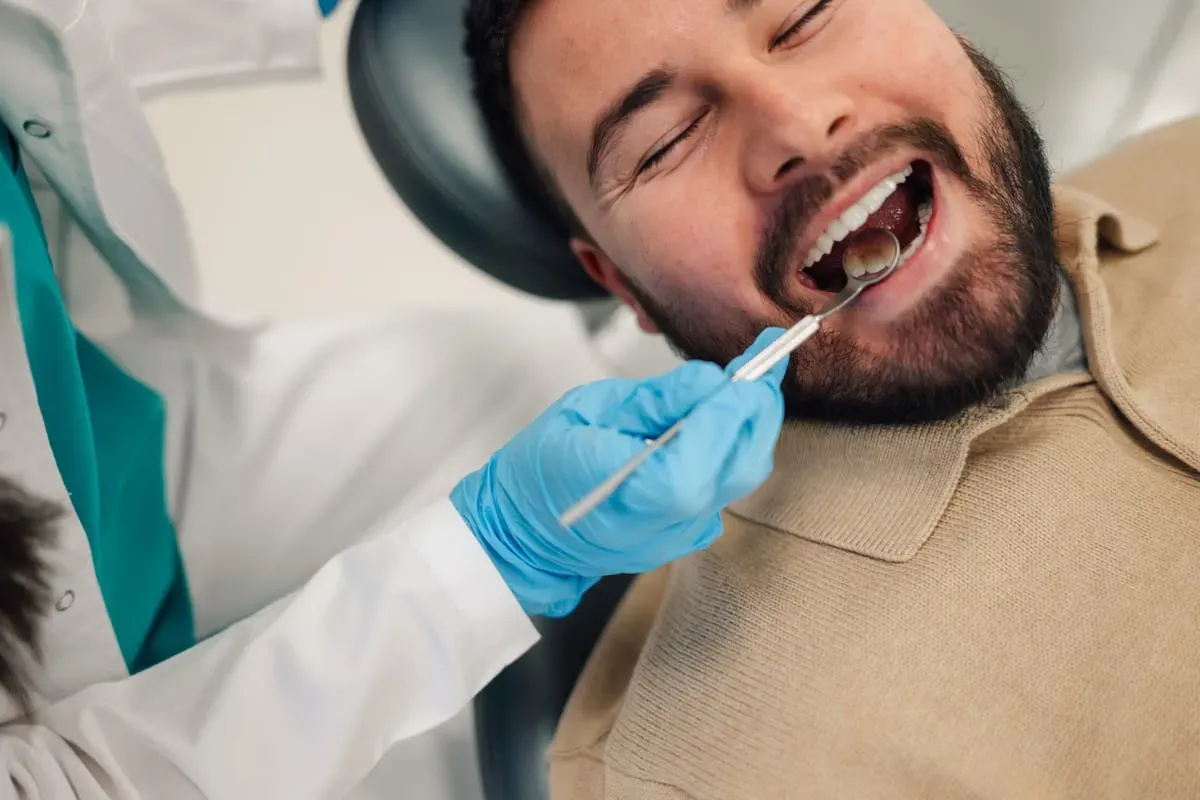
When most people think about the dentist, they picture a routine cleaning or a filling - but general dentistry is really the foundation of everything else in oral health care. It's the ongoing relationship between you and a dental team that monitors, protects, and treats your teeth and gums over the course of your entire life. From your first childhood cavity check to the fillings, crowns, and gum treatments you may need decades later, general dentistry is the thread that ties your smile's health together.
Unlike specialized fields such as orthodontics or oral surgery, general dentistry is broad by design. A general dentist is trained to diagnose, treat, and manage the vast majority of dental issues a patient will ever encounter, while also knowing when to refer to a specialist for more complex cases. This makes your general dentist your primary point of contact for oral health - much like a primary care physician is for your overall health.
In this article, we'll walk through what general dentistry actually includes, why consistent visits matter more than most people realize, and what you can expect at each stage of care - whether you're due for a routine cleaning or facing a more involved procedure for the first time.
What Does General Dentistry Actually Cover?
General dentistry is often described as "everyday dental care," but that undersells just how much falls under its umbrella. It includes preventive services like cleanings, exams, and X-rays, restorative treatments like fillings and crowns, and early-stage management of conditions such as gum disease. Many general dentists also provide root canal therapy, tooth extractions, and even certain cosmetic services, such as bonding or whitening, as part of a comprehensive care plan.
One of the most valuable aspects of general dentistry is its continuity. Because your general dentist sees you regularly - typically every six months - they build a detailed history of your oral health over time. This allows them to notice subtle changes: a shift in gum recession, a new area of enamel wear, or a filling that's beginning to show signs of stress. That kind of longitudinal insight simply isn't possible in a one-off visit or an urgent-care setting.
General dentistry also plays an important role beyond the mouth itself. Research has repeatedly linked oral health to broader systemic health, including cardiovascular disease, diabetes management, and even pregnancy outcomes. A general dentist who understands your full medical history can flag oral symptoms that may be connected to conditions elsewhere in the body, making routine dental care an important piece of your overall wellness picture.
Why Routine Checkups Matter More Than You Think
It's easy to skip a dental checkup when nothing hurts. But dental problems are notoriously quiet in their early stages - cavities can form and grow for months without any noticeable pain, and gum disease can progress silently until it reaches a more advanced, harder-to-treat stage. Routine visits are designed to catch these issues while they're still small, inexpensive, and simple to resolve.
A typical checkup does far more than "look for cavities." Your dentist evaluates the health of your gums, checks your bite alignment, screens for signs of oral cancer, and reviews any restorations you already have - fillings, crowns, or bridges - to make sure they're still functioning properly. Digital X-rays, taken periodically, reveal problems hidden below the gumline or between teeth that a visual exam alone could never catch.
- Early cavity detection: Catching decay while it's still confined to enamel means a simple filling instead of a root canal or crown down the road.
- Gum disease monitoring: Measuring gum pocket depth at each visit tracks whether inflammation is stable, improving, or advancing toward periodontitis.
- Oral cancer screening: A quick visual and physical exam of the mouth, tongue, and throat can identify abnormalities worth investigating further.
- Restoration checks: Older fillings and crowns can wear down or loosen over time, and catching this early prevents decay from sneaking in underneath.
Common Procedures You Might Encounter
While every patient's needs are different, a handful of procedures make up the bulk of what happens in a general dentistry practice. Professional cleanings remove plaque and tartar buildup that brushing and flossing at home simply can't reach, particularly along the gumline and between teeth. These cleanings are typically paired with a polish and, when needed, a fluoride treatment to strengthen enamel.
Fillings remain one of the most common restorative treatments, used to repair teeth affected by decay. Modern fillings are usually made from tooth-colored composite resin, which bonds directly to the tooth structure and blends naturally with your smile - a significant improvement over the metal amalgam fillings of decades past. For more extensive damage, a crown may be recommended to fully cap and protect a weakened tooth.
When More Involved Treatment Is Needed
When decay or infection reaches the inner pulp of a tooth, root canal therapy becomes necessary to save the tooth rather than extract it. Though root canals have a reputation for being unpleasant, modern techniques and anesthesia make the procedure comparable to getting a routine filling in terms of discomfort. Extractions, meanwhile, are typically reserved for teeth too damaged to restore, or for wisdom teeth that are impacted or crowding the rest of the mouth. In every case, a good general dentist will walk you through the reasoning behind a recommended treatment and the alternatives available before moving forward.
Warning Signs You Shouldn't Wait to Address
While biannual checkups are the backbone of preventive care, certain symptoms warrant an earlier visit rather than waiting for your next scheduled appointment. Tooth sensitivity to hot or cold that lingers well after the stimulus is removed can indicate decay or a cracked tooth. Persistent bad breath, even after brushing, may signal gum disease rather than simply something you ate.
Bleeding gums during brushing or flossing are frequently dismissed as normal, but they're actually one of the earliest signs of gingivitis - a condition that's easily reversible with proper care but can progress into more serious periodontal disease if ignored. Similarly, any lump, sore, or discoloration in the mouth that doesn't heal within two weeks should be evaluated promptly, as should sudden jaw pain or clicking, which can point to issues with your bite or temporomandibular joint.
The general rule of thumb: pain is your body's way of telling you something has already progressed. Don't wait for pain to be your only signal - subtle changes are worth mentioning to your dental team as soon as you notice them.
What to Look for in a General Dentist
Choosing a general dentist is a decision that shapes your oral health for years, so it's worth being thoughtful about it. Look for a practice that emphasizes clear communication - one where the dentist explains findings in plain language, discusses treatment options honestly, and doesn't pressure you into unnecessary procedures. A trustworthy dentist will always walk you through the "why" behind a recommendation.
Comfort and consistency also matter a great deal. Dental anxiety is common, and a practice that takes the time to make patients feel at ease - through a calm environment, gentle technique, and patience with questions - tends to see patients who stay far more consistent with their care. Continuity with the same dentist or hygienist over time also means your provider gets to know your unique dental history, which leads to more personalized and accurate care.
Finally, consider a practice that offers a broad enough scope of services to handle most of your needs under one roof, while maintaining relationships with trusted specialists for anything outside their scope. This balance of comprehensive general care and appropriate referrals is often the hallmark of a well-run dental practice.
Supporting Your Dental Visits With At-Home Care
General dentistry works best as a partnership. Even the most thorough professional cleaning can't undo the effects of consistently poor home care, and even excellent brushing habits can't replace the deep cleaning and diagnostic value of a professional visit. The two need to work together.
At home, that means brushing twice daily with fluoride toothpaste, flossing at least once a day to clear the areas a toothbrush can't reach, and being mindful of sugary or acidic foods that accelerate enamel erosion. Small habits - like not using your teeth to open packaging, or wearing a nightguard if you grind your teeth - can prevent damage that would otherwise require restorative treatment later.
When patients combine solid home habits with regular professional visits, the result is fewer surprises at the dentist's chair, less invasive treatment when something does come up, and a healthier mouth over the long run.
Key Takeaways
- General dentistry covers preventive, restorative, and early-intervention care that forms the foundation of lifelong oral health.
- Routine checkups catch problems like cavities and gum disease long before they cause pain or require complex treatment.
- Common treatments include cleanings, fillings, crowns, root canals, and extractions - each addressed at the earliest appropriate stage.
- Symptoms like sensitivity, bleeding gums, or persistent bad breath deserve prompt attention rather than waiting for the next scheduled visit.
- Consistent at-home care paired with regular professional visits produces the best long-term oral health outcomes.
Frequently Asked Questions
How often should I really visit the dentist?
Most patients do well with a checkup and cleaning every six months. However, if you have a history of gum disease, frequent cavities, or certain medical conditions, your dentist may recommend visits every three to four months to keep closer tabs on your oral health.
Does general dentistry include cosmetic treatments?
Many general dentists offer some cosmetic services, such as teeth whitening or bonding, alongside standard preventive and restorative care. More extensive cosmetic work, like veneers or full smile makeovers, may involve additional specialized training or a referral.
Is it normal for gums to bleed a little when I floss?
Occasional light bleeding when you first start flossing regularly can happen, but persistent bleeding is not normal and often indicates gingivitis. It's worth mentioning to your dentist so they can evaluate your gum health and recommend an appropriate cleaning routine.
What's the difference between a general dentist and a specialist?
A general dentist manages the broad spectrum of everyday oral health needs - exams, cleanings, fillings, and more. Specialists, like orthodontists or periodontists, focus on a narrower area of dentistry and typically see patients on referral for more complex or specific cases.
Can children see a general dentist, or do they need a pediatric specialist?
Many general dentists comfortably treat patients of all ages, including children, and can help establish healthy habits early on. Some families do choose a pediatric dentist for young children, particularly if there are behavioral or developmental considerations that call for specialized training.
Bringing It All Together
General dentistry isn't just about fixing problems as they arise - it's about building a long-term relationship with a dental team that knows your history, watches for subtle changes, and helps you avoid bigger issues down the road. From routine cleanings to fillings, root canals, and everything in between, this branch of dentistry forms the backbone of a healthy, confident smile at every stage of life.
The best outcomes come from consistency: regular visits, honest conversations with your dentist, and solid habits at home. Whether you're due for a checkup or noticing a symptom that's given you pause, taking that next step sooner rather than later is almost always the easier, less costly path - and it's one worth prioritizing for your health today and for years to come.