



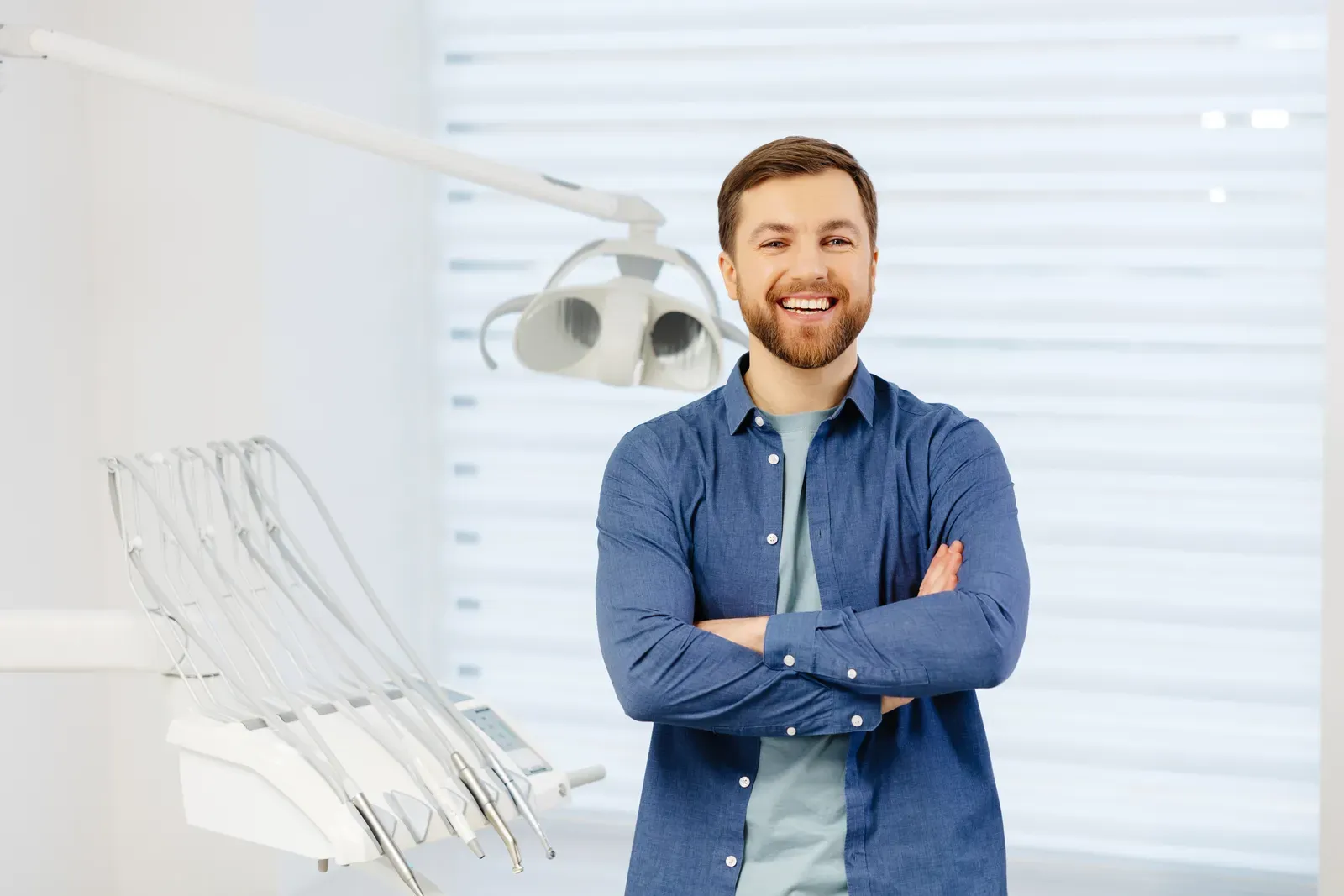
A smile is often the first thing people notice, and for many of us, it's also the feature we feel most self-conscious about. Whether it's a chipped tooth from years ago, stubborn discoloration that whitening toothpaste can't touch, or gaps that have always bothered you, cosmetic dentistry offers real, lasting solutions. It's no longer a luxury reserved for celebrities - modern techniques have made smile enhancement more accessible, predictable, and comfortable than ever before.
At Dentistry of Uptown Charlotte, we see cosmetic dentistry as more than just aesthetics. A confident smile can influence how you present yourself at work, in relationships, and in everyday interactions. Many cosmetic treatments also quietly improve function and oral health, strengthening weakened teeth or correcting bite issues along the way.
This guide walks through the most common cosmetic dentistry options available today, how they work, what they cost, and how to decide which approach fits your goals. Whether you're considering a single tweak or a full smile makeover, understanding your options is the first step toward making a confident, informed decision.
Popular Cosmetic Dentistry Treatments Explained
Cosmetic dentistry covers a wide range of procedures, from simple one-visit fixes to comprehensive, multi-step transformations. The right choice depends on what you want to change - color, shape, alignment, or a combination of all three. Understanding what each treatment actually does helps set realistic expectations and avoids paying for more (or less) than you need.
Many patients are surprised to learn that several cosmetic concerns can be addressed with conservative, minimally invasive options before jumping to more involved procedures. A thorough consultation is where your dentist maps out which combination will get you the results you're picturing.
-
Professional Teeth Whitening - Uses higher-concentration bleaching agents than over-the-counter kits, delivering noticeably brighter results in a single visit or with a custom take-home tray system.
-
Porcelain Veneers - Thin, custom-made shells bonded to the front of teeth to correct color, shape, size, or minor gaps, often used for a full smile makeover.
-
Cosmetic Bonding - A tooth-colored resin sculpted directly onto the tooth to repair chips, close small gaps, or reshape edges in a single appointment.
-
Clear Aligner Therapy - Removable, transparent trays that gradually shift crowded or crooked teeth without the visibility of traditional braces.
-
Dental Crowns - Full-coverage restorations that both protect a damaged tooth and restore a natural, uniform appearance when a large portion of the tooth is compromised.
-
Gum Contouring - Reshapes an uneven or overly prominent gumline to create better proportion and balance between teeth and gums.
How to Choose the Right Treatment for Your Smile
The best cosmetic plan starts with an honest assessment of what's actually bothering you about your smile. Is it color, shape, spacing, or a combination? Patients frequently come in asking for veneers when a round of professional whitening and some minor bonding would achieve a very similar result at a fraction of the cost and with far less tooth preparation.
It's also important to separate cosmetic goals from underlying dental health issues. Cavities, gum disease, or bite misalignment should generally be addressed before or alongside cosmetic work, since building a beautiful smile on an unhealthy foundation rarely holds up long-term. A comprehensive exam - including X-rays and a review of your bite - gives your dentist the full picture needed to recommend a sequence of treatments that actually lasts.
Questions Worth Asking Yourself First
Think about how much change you want, how much time you're willing to invest, and your budget range. Someone looking for a quick refresh before a wedding will have very different priorities than someone planning a comprehensive makeover over several months. Bringing photos of smiles you admire to your consultation can also help your dentist understand your aesthetic goals more precisely than words alone.
What Affects the Cost of Cosmetic Dentistry
Cosmetic dentistry costs vary widely because the treatments themselves vary widely - a single tooth bonding repair and a full-arch veneer makeover are simply not comparable in scope. In general, treatments that require lab-fabricated restorations, like veneers and crowns, cost more than in-office procedures like whitening or bonding, because of the materials, craftsmanship, and chair time involved.
Geographic location, the dentist's experience level, and the materials used (such as the grade of porcelain) all factor into final pricing. Many practices, including ours, offer financing plans that break larger cosmetic investments into manageable monthly payments, making comprehensive smile makeovers more attainable without paying the full amount upfront.
It's worth noting that most cosmetic procedures are considered elective and are typically not covered by dental insurance, though some treatments that also restore function - like crowns on damaged teeth - may be partially covered. Ask your treatment coordinator to break down what's classified as cosmetic versus restorative so you understand your out-of-pocket costs clearly before starting.
How Long Do Results Usually Last?
Longevity depends heavily on the treatment chosen and how well it's maintained afterward. Professional whitening results typically last six months to two years before touch-ups are needed, depending on diet and habits like coffee, red wine, or tobacco use. Bonding, being a softer resin material, generally lasts three to ten years and may need occasional polishing or replacement if it chips.
Porcelain veneers and crowns are built for durability, often lasting ten to fifteen years or longer with proper care. Because porcelain resists staining far better than natural enamel or composite resin, veneers tend to hold their brightness impressively well over time. Clear aligner results, once treatment is complete, are typically maintained with a retainer to prevent teeth from gradually shifting back.
Regardless of which treatment you choose, consistent oral hygiene and routine dental checkups play the biggest role in how long your results last. Grinding habits, poor hygiene, and skipping regular cleanings are the most common reasons cosmetic work needs early repair or replacement.
Preparing for Your Cosmetic Consultation
A cosmetic consultation is more like a design conversation than a typical dental checkup. Your dentist will examine your teeth, gums, and bite, but they'll also ask about your lifestyle, timeline, and what specifically you'd like to change. Coming prepared with clear goals - and photos of smiles you like - helps translate a vague "I want it to look better" into an actionable treatment plan.
Many practices now use digital smile design software or mock-ups, allowing you to preview a rough version of your future smile before committing to treatment. This step can be enormously helpful in aligning expectations between patient and dentist, especially for larger cases involving veneers or a full smile makeover.
Don't be afraid to ask detailed questions during this visit - about material options, expected number of visits, maintenance requirements, and total cost. A good cosmetic dentist will walk you through the reasoning behind their recommendations rather than pushing a one-size-fits-all solution.
Key Takeaways
- Cosmetic dentistry ranges from simple whitening to comprehensive veneer makeovers - the right option depends on your specific concerns and goals.
- Healthy teeth and gums should be addressed first; cosmetic results last longer when built on a solid dental foundation.
- Costs vary significantly based on the treatment and materials used, and financing options can make larger cases more affordable.
- Longevity depends on the procedure and your habits - good hygiene and regular checkups protect your investment.
- A thorough consultation, including digital previews when available, ensures your expectations and treatment plan align.
Frequently Asked Questions
Is cosmetic dentistry painful?
Most cosmetic procedures involve minimal to no discomfort. Whitening and bonding are typically painless, while veneers or crowns that require light enamel reshaping are done under local anesthesia so you won't feel discomfort during the appointment.
Can cosmetic dentistry fix crooked teeth?
Yes, in many cases. Clear aligners can gradually straighten mild to moderate misalignment, while veneers can visually correct minor crookedness by masking the actual position of the teeth. Severe alignment issues may still require orthodontic treatment first.
Will insurance cover any part of my treatment?
Purely cosmetic treatments are usually not covered by dental insurance since they're considered elective. However, if a procedure also restores function - such as a crown replacing a fractured tooth - insurance may cover a portion of the cost.
How many appointments does a smile makeover usually take?
It depends on the scope. Whitening or bonding can often be completed in one visit, while veneers typically require two to three appointments for consultation, preparation, and final placement. More extensive makeovers combining multiple treatments may span several weeks.
Are results from cosmetic dentistry permanent?
Most cosmetic results are long-lasting rather than truly permanent. Veneers and crowns can last well over a decade with good care, but they will eventually need replacement, while whitening naturally fades over time and benefits from periodic touch-ups.
Bringing It All Together
Cosmetic dentistry has evolved into a thoughtful blend of art and science, offering solutions for nearly every smile concern imaginable - from a quick whitening refresh to a fully redesigned smile. The key is approaching it with clear goals, realistic expectations, and a dentist who takes the time to understand what you're hoping to achieve.
No two smiles - or treatment plans - are exactly alike, which is why a personalized consultation matters so much more than following generic trends. If you've been considering a change, the best next step is simply having that conversation with a dentist you trust, so you can explore your options and find the path that fits your smile, your lifestyle, and your budget.