Book An Appointment


Choosing a dental crown feels overwhelming when you’re not sure what each material offers. Porcelain vs zirconia vs metal — which crown is right for you in Charlotte? Dr. Minka Hotic at Dentistry of Uptown Charlotte helps patients understand their options every day. This guide breaks down each material so you can make a confident, informed decision.
Understanding Dental Crown Materials in Charlotte
A dental crown covers a damaged or weakened tooth completely. It restores shape, strength, and appearance all at once. Dentists use three primary materials: porcelain, zirconia, and metal. Each has distinct advantages depending on your situation.
Your dentist will consider several factors before recommending a material. These include where the tooth sits in your mouth, how much chewing force it handles, and your aesthetic goals. Budget also plays a role in the final decision. Understanding the basics helps you have a better conversation with Dr. Hotic.
Charlotte patients often ask about the differences during routine visits or after a recommendation. Knowing what to expect helps reduce anxiety around the procedure. A well-chosen crown can last a decade or more with proper care. That makes the decision well worth your attention.
Porcelain Crowns: The Natural-Looking Choice
Porcelain crowns are the most lifelike option available today. They mimic the translucency and color of natural enamel very closely. That makes them a popular choice for front teeth. Many Charlotte patients prioritize appearance for their smile zone.
All-ceramic or porcelain-fused-to-metal crowns fall into this category. All-ceramic versions offer the best aesthetics because there is no metal base. Porcelain-fused-to-metal adds strength but can show a dark line near the gumline over time. Dr. Hotic will explain which variation suits your tooth best.
Here are the key advantages of porcelain crowns:
- Closest match to natural tooth color and translucency
- Ideal for front teeth and highly visible areas
- Biocompatible and rarely causes allergic reactions
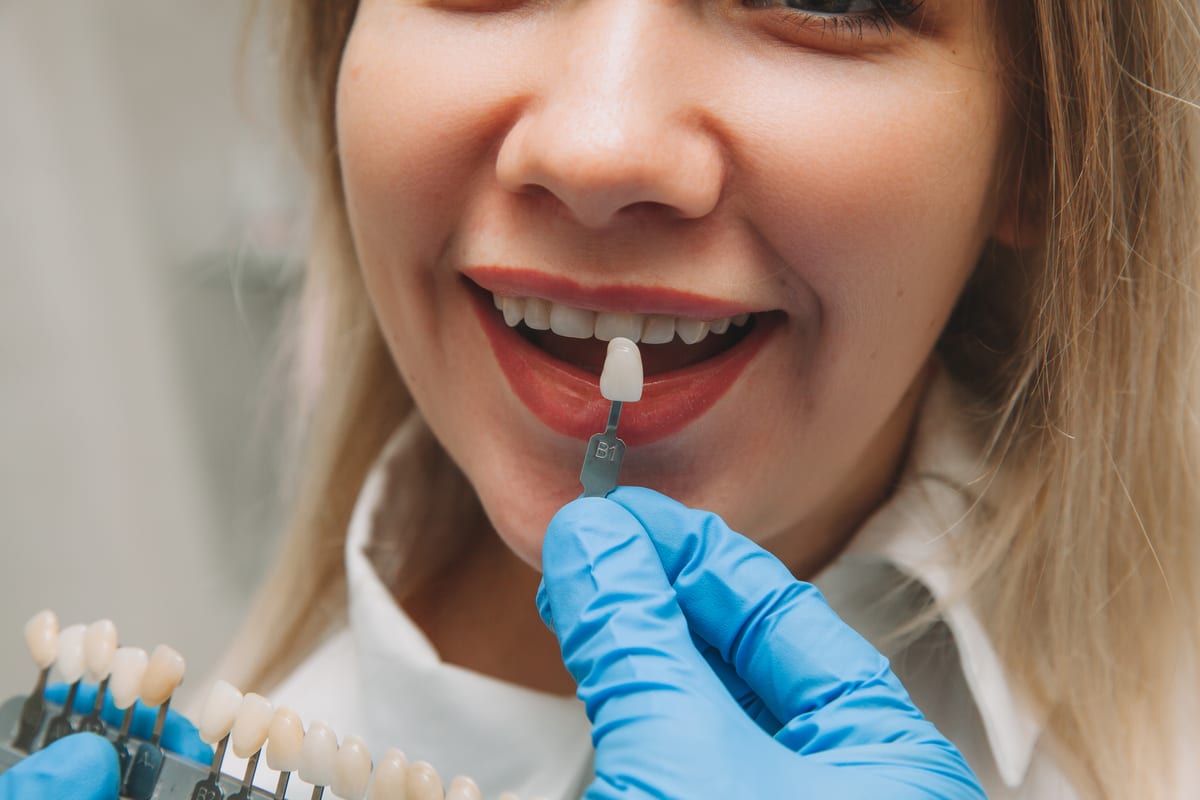
- Can be shade-matched precisely to surrounding teeth
The main limitation is durability. Porcelain chips more easily than zirconia or metal under heavy biting force. For back teeth, your dentist may recommend a stronger material instead.
Zirconia Crowns: Strength Meets Aesthetics
Zirconia has become the most recommended crown material in modern dentistry. It combines exceptional strength with a tooth-colored appearance. Many Charlotte patients are surprised to learn zirconia is harder than natural enamel. That strength makes it ideal for both front and back teeth.
Zirconia is milled from a single solid block using computer-guided technology. This precision reduces the chance of cracks or weak spots. It also bonds well to the prepared tooth structure. Zirconia crowns are thinner than older crown types, preserving more of your natural tooth.
Consider these standout benefits of zirconia crowns:
- Extremely durable — resists chipping and cracking
- Natural tooth-colored appearance suitable for all tooth positions
- Biocompatible with no metal content
- Less tooth reduction required compared to metal-fused crowns
- Long-lasting with minimal wear on opposing teeth
The cost of zirconia tends to be higher than traditional porcelain. However, the longevity often makes it a worthwhile investment. Dr. Hotic frequently recommends zirconia for patients who grind their teeth or need back molar restoration.
Metal Crowns: Durability Above All Else
Metal crowns have been used in dentistry for decades. Gold alloy and base metal alloys are the most common types. They are incredibly strong and rarely crack or chip. For back molars that endure constant pressure, metal remains a reliable option.
Metal crowns require less tooth removal than other types. This preservation of natural tooth structure is a real advantage. They also have an excellent long-term track record in clinical use. Some patients prefer them specifically for their proven performance.
The obvious downside is appearance. Metal crowns are clearly visible and do not match tooth color at all. Most patients avoid them for front teeth or any visible area. Back molars are the primary use case where function outweighs aesthetics.
Metal crowns also tend to cost less than zirconia in many cases. For patients who prioritize function over appearance in non-visible areas, they remain a practical choice. Your dentist will be upfront about when metal makes clinical sense.
How Dr. Hotic Helps Charlotte Patients Choose the Right Crown
No single crown material works best for every patient. Dr. Minka Hotic evaluates each case individually before making a recommendation. She considers tooth location, bite force, gum health, and your personal goals. That personalized approach leads to better long-term outcomes.
During your consultation, Dr. Hotic will explain why one material fits your needs better than another. She may also discuss how the crown fits into your broader dental health plan. For patients missing teeth, she may mention Dental Implants Charlotte as a complementary solution. Implants and crowns often work together to restore full function.
Keeping your existing teeth and gums healthy is equally important. Regular Dental Cleanings Charlotte help ensure crowns last as long as possible. Clean gum tissue supports the crown margin and prevents decay underneath. Combining preventive care with restorative treatment gives you the best result.
Here is a simple comparison to guide your thinking:
- Front teeth, appearance-focused: Porcelain or zirconia
- Back teeth, heavy chewing: Zirconia or metal
- Teeth grinding or bruxism: Zirconia for best durability
- Budget-conscious back molar: Metal alloy crowns
- Overall balance of strength and aesthetics: Zirconia
This comparison is a starting point, not a final answer. Only an in-person exam with Dr. Hotic gives you a complete picture. Tooth condition, adjacent teeth, and your bite all influence the final recommendation.
What to Expect During the Crown Process at Dentistry of Uptown Charlotte
Getting a dental crown typically takes two appointments. The first visit involves preparing the tooth and taking impressions. Dr. Hotic will place a temporary crown to protect the tooth between visits. The second appointment involves placing and adjusting the permanent crown.
Modern technology has improved the precision and comfort of crown placement significantly. Many crowns are now designed using digital scans rather than traditional impressions. This improves fit and reduces discomfort during the process. Dentistry of Uptown Charlotte uses current techniques to ensure a smooth experience.
Recovery after crown placement is usually straightforward. Some sensitivity is normal for the first few days. Avoiding very hard or sticky foods initially helps the crown settle properly. Most patients return to normal routines the same day.
Making Your Decision with Confidence in Charlotte
Understanding porcelain vs zirconia vs metal crowns helps you feel prepared before your appointment. Each material serves a specific purpose, and no single option is universally best. Dr. Minka Hotic at Dentistry of Uptown Charlotte takes time to match the right crown to the right patient. You deserve a solution that fits your health, your smile, and your life. Book Now to schedule your appointment with our team.
Frequently Asked Questions
How long do dental crowns typically last?
Most dental crowns last between 10 and 15 years with proper care. Zirconia and metal crowns tend to last the longest due to their durability. Regular cleanings and avoiding habits like teeth grinding extend crown lifespan significantly.
Is zirconia better than porcelain for back teeth?
Yes, zirconia is generally preferred for back teeth because it handles chewing forces better. Porcelain can chip under the heavy pressure that molars experience. Zirconia offers strong durability while still looking natural, making it a versatile choice.
Do metal crowns cause any health concerns?
Metal crowns made from gold or high-quality alloys are generally safe and biocompatible. Some patients with specific metal sensitivities may want to discuss alternatives with Dr. Hotic. She will review your health history before recommending any crown material.
Will my crown look natural?
Porcelain and zirconia crowns are designed to closely match your natural tooth color. Dr. Hotic shade-matches crowns to the surrounding teeth for a seamless appearance. Most people cannot tell the difference between a well-made crown and a natural tooth.
Can a crown be placed on a dental implant?
Yes, dental crowns are commonly placed on implants to restore missing teeth. The crown sits on top of the implant post and functions like a natural tooth. Zirconia is a popular crown choice for implants due to its strength and appearance.