Book An Appointment

Veneers have earned a reputation as one of dentistry’s most versatile cosmetic tools. Patients across Charlotte ask about them constantly — and for good reason. The truth is, veneers can fix almost anything — but not everything in Charlotte’s dental landscape. Understanding what they can and cannot do helps you make a smarter, more confident decision about your smile.
At Dentistry of Uptown Charlotte, Dr. Minka Hotic helps patients explore every option before committing to treatment. This guide breaks down exactly what veneers are, what problems they solve, and where they fall short.
What Are Dental Veneers, Exactly?
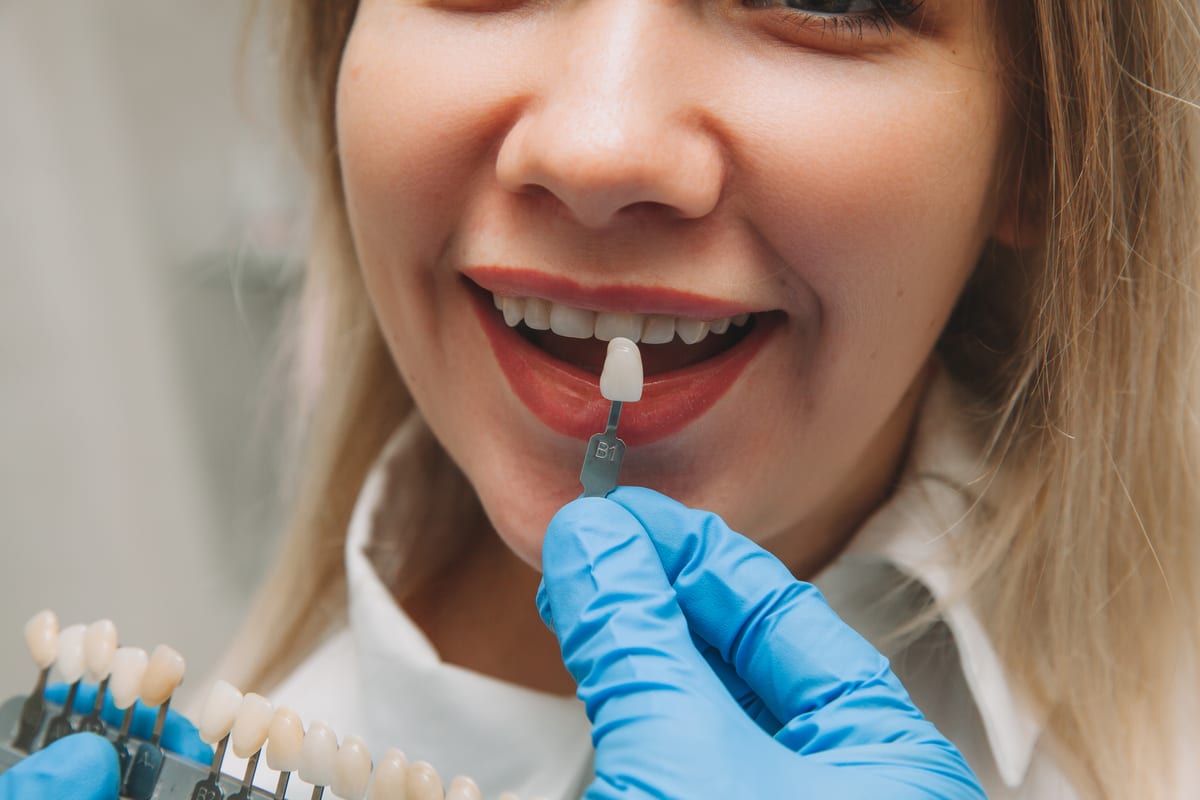
Dental veneers are ultra-thin shells bonded to the front surface of your teeth. They are typically made from porcelain or composite resin. Porcelain veneers are the most popular choice because they mimic natural enamel and resist staining.
The process usually requires two to three visits to complete. During the first visit, Dr. Hotic removes a small layer of enamel from the tooth surface. This creates space for the veneer to sit flush with surrounding teeth. Impressions are taken and sent to a dental lab where your custom veneers are crafted.
Once ready, the veneers are bonded permanently to your teeth. The result is a transformed smile that looks completely natural. Many Charlotte patients describe the experience as life-changing.
The Wide Range of Problems Veneers Can Fix in Charlotte
Veneers are genuinely impressive in what they can address. They cover a surprising range of cosmetic and mild structural concerns. Here is a look at the most common issues veneers successfully correct:
- Discoloration: Teeth stained by coffee, wine, tobacco, or tetracycline that whitening cannot fix
- Chipped or cracked teeth: Minor chips and surface cracks that affect appearance
- Gaps between teeth: Small spaces between front teeth that bother you cosmetically
- Slightly misaligned teeth: Mild crowding or rotation without severe bite issues
- Worn-down enamel: Teeth shortened from grinding or acid erosion
- Uneven tooth length: Teeth that look different sizes or proportions
- Oddly shaped teeth: Pointed, small, or irregularly shaped teeth
That is a long list. It explains why veneers are so popular among Charlotte patients seeking a full smile transformation. One treatment can address multiple concerns at once.
Many patients combine veneers with Dental Cleanings Charlotte before their procedure. Starting with clean, healthy teeth gives veneers the best foundation and longest lifespan.
What Veneers Cannot Fix — The Important Limits
Here is where the conversation gets critical. Veneers look like a miracle solution, but they have real limitations. Knowing these limits protects you from disappointment and poor outcomes.
Veneers cannot fix severely damaged or decayed teeth. If a tooth has significant decay, a crack that extends below the gumline, or structural weakness, a veneer will not hold properly. Those teeth need restorative treatment first.
Veneers are not a substitute for orthodontics. Severe crowding, bite misalignment, or jaw issues require Invisalign or traditional braces. Applying veneers over major alignment problems leads to unnatural-looking results and potential bite damage.
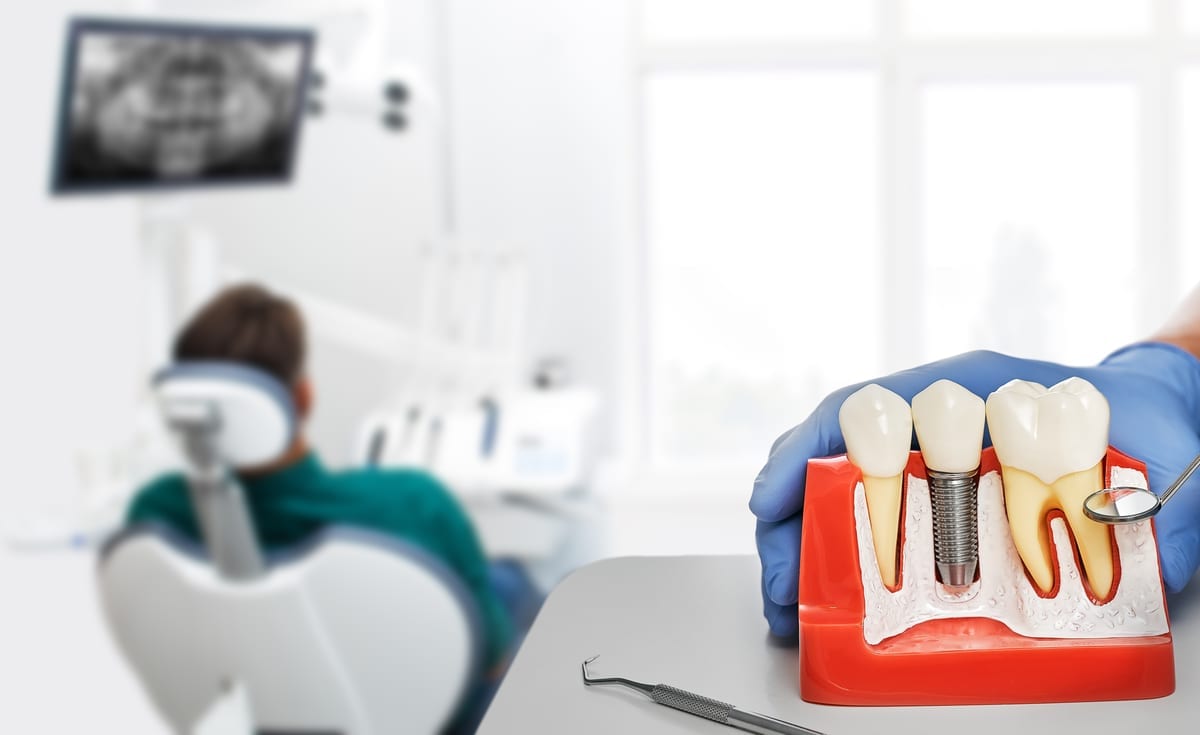
Veneers cannot replace missing teeth. If you have lost a tooth entirely, a veneer has nothing to bond to. Dental Implants Charlotte are the gold standard for replacing missing teeth and restoring full function.
Veneers do not work well for severe bruxism patients. Heavy teeth grinding puts enormous pressure on porcelain. Without addressing the grinding first, veneers can chip or crack within a few years.
Here is a quick summary of veneer limitations:
- Cannot cover teeth with active gum disease or untreated decay
- Not suitable for teeth with very little remaining enamel
- Cannot correct major bite problems or jaw misalignment
- Not reversible — enamel removal is permanent
- Not ideal for patients with severe grinding habits without a night guard
How Dr. Minka Hotic Evaluates Veneer Candidates in Charlotte
Not everyone who wants veneers is immediately ready for them. Dr. Hotic takes a thorough, patient-first approach at every consultation. She evaluates the health of your gums, enamel thickness, bite alignment, and overall oral health before recommending veneers.
If underlying issues exist, she addresses them first. This might mean treating gum disease, completing a root canal, or correcting alignment with Invisalign before placing veneers. This sequencing protects your investment and ensures long-lasting results.
Dr. Hotic also discusses your goals openly. Some patients want a subtle refresh. Others want a dramatic transformation. Understanding your expectations helps determine whether veneers, bonding, whitening, or a combination approach makes the most sense.
Charlotte patients appreciate this honest, educational approach. It means no surprises and no regrets after the procedure is complete.
What to Expect During the Veneer Process at Dentistry of Uptown Charlotte
The veneer process is straightforward when you work with an experienced team. Here is what most patients experience:
- Consultation: Dr. Hotic reviews your goals, examines your teeth, and confirms you are a good candidate
- Preparation: A thin layer of enamel is removed from the tooth surface to make room for the veneer
- Impressions: Digital or physical impressions are taken and sent to a dental lab
- Temporary veneers: You may wear temporaries while your permanent veneers are crafted
- Bonding: Permanent veneers are checked for fit and color, then bonded securely to your teeth
- Final adjustments: Dr. Hotic makes any minor adjustments to ensure your bite feels natural
Most patients are amazed at how natural their veneers look and feel. With proper care, porcelain veneers can last 10 to 15 years or longer. Good oral hygiene and regular dental visits are key to protecting that investment.
Are Veneers Right for You?
Veneers can fix almost anything — but not everything in Charlotte’s wide range of dental concerns. The best way to know if they are right for you is a personal consultation with Dr. Hotic. She will give you an honest, professional assessment based on your unique smile and goals.
Whether you are a great candidate today or need some preparatory work first, Dr. Hotic will build a clear plan to get you where you want to be. Your smile transformation starts with one conversation. Book Now to schedule your appointment with our team.
Frequently Asked Questions
How long do dental veneers last?
Porcelain veneers typically last 10 to 15 years with proper care. Composite resin veneers may last 5 to 7 years. Regular dental visits, good brushing habits, and avoiding habits like nail-biting help extend their lifespan significantly.
Do veneers look natural?
Yes. High-quality porcelain veneers are designed to mimic the light-reflecting properties of natural enamel. Dr. Hotic carefully matches the shade and shape to complement your facial features, ensuring a result that looks completely natural.
Are veneers painful to get?
Most patients experience minimal discomfort during the veneer process. Local anesthesia is used during the enamel preparation stage. Some sensitivity may occur for a few days after placement, but this typically resolves quickly.
Can veneers stain like natural teeth?
Porcelain veneers are highly resistant to staining from coffee, tea, and wine. Composite resin veneers are more susceptible to discoloration over time. Avoiding heavily pigmented foods and drinks helps keep any veneer looking bright longer.
What happens if a veneer chips or breaks?
A chipped or broken veneer should be evaluated by your dentist as soon as possible. In some cases, minor chips can be repaired. Severely damaged veneers may need to be replaced. Dr. Hotic can assess the damage and recommend the best course of action.