Book An Appointment



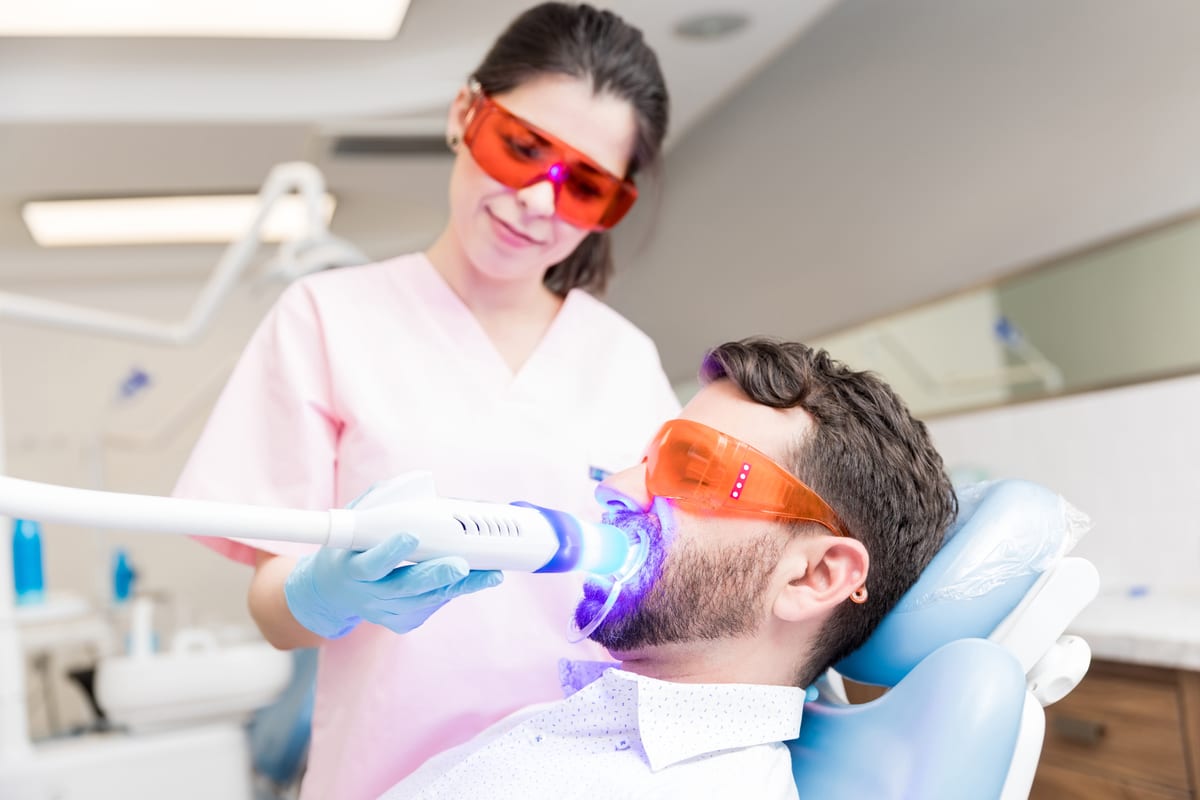
Many Charlotte patients ask Dr. Minka Hotic one question before scheduling a whitening treatment: Is professional teeth whitening safe for your enamel and gums in Charlotte? It is a fair and important question. Understanding the science behind whitening helps you make a confident, informed decision. This article breaks down exactly what happens to your teeth during whitening and who may need to take extra precautions.
How Professional Teeth Whitening Works on Enamel
Professional whitening uses hydrogen peroxide or carbamide peroxide as the active ingredient. These compounds penetrate the outer enamel layer and break apart stain molecules beneath the surface. The enamel itself is not removed or damaged during this process. Instead, the whitening agent works within the porous structure of enamel to lift discoloration.
A common concern is that whitening weakens enamel over time. Current dental research does not support this claim when treatments follow professional guidelines. Studies show that professionally applied concentrations do not significantly alter enamel hardness. The key difference is using the right concentration for the right amount of time.
Over-the-counter products are less regulated than professional treatments. They may be used incorrectly or too frequently by patients at home. This misuse — not the peroxide itself — is often what leads to enamel sensitivity complaints. Professional supervision eliminates most of that risk.
Is Professional Teeth Whitening Safe for Your Gums in Charlotte?
Gum safety is another top concern patients raise at Dentistry of Uptown Charlotte. Peroxide-based whitening gels can irritate soft tissue if they come into direct contact with the gums. Professional treatments include protective barriers, custom-fitted trays, or carefully applied gum shields. These precautions dramatically reduce the chance of irritation.
In-office whitening gives your dentist complete control over gel placement. Dr. Hotic and her team ensure the whitening agent stays on tooth surfaces only. Take-home trays provided by a dental office are custom-made to fit your teeth precisely. Generic store-bought trays often allow gel to leak onto gum tissue.
Temporary gum sensitivity after whitening is possible and usually mild. It typically resolves within 24 to 48 hours after treatment. Patients who experience prolonged gum discomfort should contact their dental provider right away. That kind of follow-up care is one major advantage of working with a professional team.
Tooth Sensitivity After Whitening — What to Expect
Tooth sensitivity is the most frequently reported side effect of whitening treatments. Patients may notice a sharp, brief sensation when consuming hot, cold, or sweet foods. This occurs because peroxide temporarily opens the dentinal tubules beneath enamel. The sensation is almost always short-lived and not a sign of permanent damage.
There are several steps patients and providers take to minimize sensitivity:
- Use a desensitizing toothpaste for one to two weeks before treatment
- Choose a lower-concentration whitening gel applied over more sessions
- Apply a fluoride treatment immediately after whitening
- Avoid very hot or cold foods for 24 to 48 hours post-treatment
- Space out whitening sessions to allow teeth to recover between appointments
Patients with naturally sensitive teeth should always disclose this to their dentist. Dr. Hotic evaluates each patient individually before recommending any whitening protocol. A personalized approach reduces discomfort and produces better results.
Who Should Avoid Professional Teeth Whitening?
Not every patient is a good candidate for whitening, and that is perfectly normal. Certain conditions make whitening less effective or potentially uncomfortable. Understanding these factors helps patients set realistic expectations and explore alternatives when needed.
Patients who may need to avoid or delay whitening include:
- Those with untreated cavities or active gum disease
- Patients with cracked teeth or exposed tooth roots
- Pregnant or breastfeeding individuals
- Children and teenagers whose teeth are still developing
- Patients with severe enamel erosion from acid exposure
- Those with crowns, veneers, or bonding on front teeth — whitening will not change the color of restorations
Patients with existing dental restorations should discuss their options carefully. Whitening natural teeth while restorations remain the same shade can create visible mismatches. Dr. Hotic will review your dental history and existing restorations before creating any treatment plan. Prioritizing your oral health foundation always comes first.
Good oral health is the starting point for any cosmetic treatment. Completing Dental Cleanings Charlotte before whitening can also improve results. A clean tooth surface allows the whitening agent to work more evenly and effectively.
Professional Whitening Versus Store-Bought Kits
The shelves at Charlotte drugstores are full of whitening strips, gels, and trays. These products are accessible and inexpensive, which makes them appealing. However, they carry a higher risk of misuse and uneven results. They also lack the protective measures built into professional treatments.
Here is how professional whitening compares to over-the-counter options:
- Concentration: Professional gels contain higher, controlled peroxide levels for more effective results
- Customization: Office-made trays fit your teeth exactly, reducing gel contact with gums
- Supervision: A dentist monitors your response and adjusts the treatment as needed
- Speed: In-office treatments deliver noticeable results in a single visit
- Safety assessment: A dental exam first rules out conditions that make whitening risky
For patients who have had procedures like Dental Implants Charlotte, understanding which restorations respond to whitening is especially important. Your dentist can guide you through realistic cosmetic goals based on your full dental picture.
What Dr. Minka Hotic Recommends for Charlotte Patients
At Dentistry of Uptown Charlotte, every whitening consultation begins with a thorough examination. Dr. Hotic assesses enamel thickness, gum health, and any existing restorations. She discusses your goals and explains exactly what whitening can and cannot achieve for your specific smile. This process ensures every patient receives a safe, appropriate treatment plan.
Professional whitening, when performed correctly, is one of the safest cosmetic dental procedures available. The key is proper candidate selection, appropriate product concentration, and professional oversight. Charlotte patients who follow post-whitening care instructions typically experience minimal side effects. Results can last anywhere from several months to a few years with good oral hygiene habits.
If you have questions about whether whitening is right for you, schedule a consultation with Dr. Hotic. Bringing up any sensitivity concerns, past dental work, or health conditions during that visit is always encouraged. Honest communication helps create the safest and most effective treatment experience possible. Book Now to schedule your appointment with our team.
Frequently Asked Questions
Does professional teeth whitening permanently damage enamel?
No. Research consistently shows that professionally applied whitening treatments do not permanently damage enamel when used as directed. Temporary sensitivity can occur, but the enamel structure itself remains intact. Professional supervision ensures safe concentration levels and proper application techniques.
How long does tooth sensitivity last after whitening?
Most patients experience sensitivity for 24 to 48 hours after a whitening treatment. In some cases, mild sensitivity may linger for up to a week. Using a desensitizing toothpaste before and after treatment helps manage this effectively. If sensitivity continues beyond one week, contact your dental provider.
Can I whiten my teeth if I have dental crowns or veneers?
Whitening agents only work on natural tooth structure. Crowns, veneers, and composite bonding will not change color with whitening gel. This can result in uneven shading between natural teeth and restorations. Dr. Hotic can review your restorations and recommend the best cosmetic approach for a balanced, natural-looking result.
Is in-office whitening safer than at-home whitening kits?
In-office whitening is generally considered safer because it involves professional oversight and protective measures for your gums. The trays are custom-fitted to prevent gel from contacting soft tissue. A dentist can also stop or adjust the treatment if any issue arises. Over-the-counter kits lack these safeguards and carry a higher risk of misuse.
How often can I safely whiten my teeth?
Most dental professionals recommend whitening no more than once or twice per year. Whitening too frequently can contribute to sensitivity and may stress the enamel over time. Touch-up treatments at home between professional sessions can help maintain results. Dr. Hotic will create a schedule that balances cosmetic goals with long-term oral health.