Book An Appointment



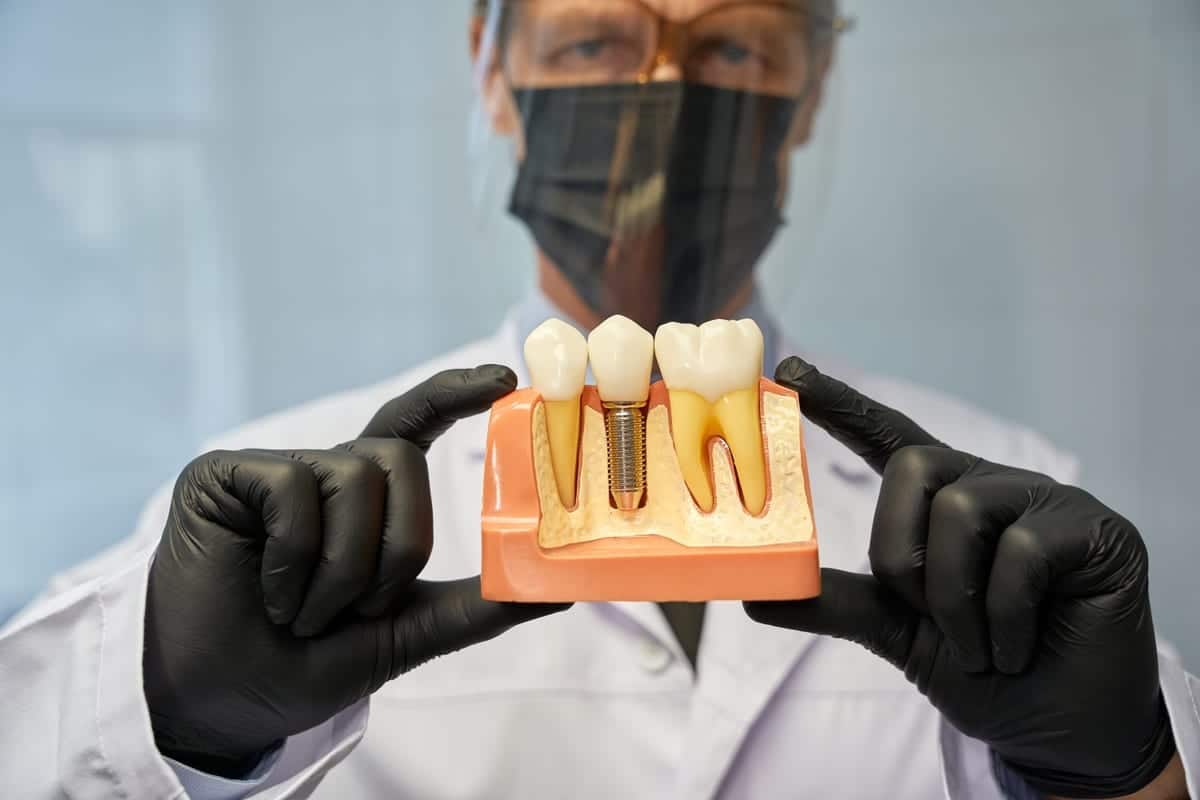
If your teeth are shifting—here’s why waiting makes it worse in Charlotte than most people realize. What starts as a small gap or a slight tilt can quickly become a much bigger problem. Bone loss, bite changes, and chewing difficulties often follow. Understanding these warning signs can help you act before the damage becomes permanent.
Why Teeth Shift After Tooth Loss in Charlotte
Your teeth rely on each other for support. When one tooth is missing, the surrounding teeth begin to drift toward the empty space. This happens gradually, so many people don’t notice it right away.
Your jawbone also depends on tooth roots for stimulation. Without that stimulation, the bone starts to shrink. This process is called bone resorption, and it begins within weeks of tooth loss.
Once the bone shrinks, replacing the missing tooth becomes more complicated. You may need additional procedures before a dental implant can even be placed. That’s one major reason why acting early matters so much.
Charlotte patients who wait often face longer treatment timelines and more complex care. The sooner you address a missing tooth, the more options remain available to you.
Warning Signs You’ve Already Waited Too Long
Some signs of delayed tooth loss treatment are obvious. Others are easy to overlook until they cause real problems. Knowing what to watch for puts you ahead of further damage.
Here are warning signs that suggest you need to act now:
- Visible gaps widening between teeth that weren’t there before
- Teeth that feel loose or have shifted out of their original position
- Difficulty chewing on one side or biting down comfortably
- Changes in your bite that cause jaw discomfort or headaches
- Sunken facial appearance near the cheeks or jawline
- Gum tissue receding around teeth adjacent to the gap
Each of these symptoms points to ongoing bone loss or structural change. None of them resolve on their own. Waiting only allows these problems to advance further.
How Bone Loss Makes Implants Harder to Place
Dental implants are the gold standard for replacing missing teeth. They function like natural tooth roots and help preserve the jawbone. But they require a certain amount of healthy bone to anchor properly.
When bone loss is already significant, implant placement becomes more involved. A bone graft may be necessary to rebuild the jaw before the implant can be placed. This adds time and steps to your overall treatment.
Patients who act quickly after tooth loss often avoid this extra step entirely. Healthy bone density makes the implant process more straightforward. It also improves long-term implant stability and success rates.
Dr. Minka Hotic evaluates each patient’s bone health before recommending a treatment path. Early consultation gives you the best chance of a simpler, faster outcome.
What Happens to Your Bite When Teeth Shift
Shifting teeth don’t just affect appearance. They change how your upper and lower teeth meet when you bite. This altered alignment puts uneven pressure on certain teeth.
Over time, that pressure causes excessive wear. Some teeth may crack or fracture under the strain. Others may become hypersensitive to temperature or pressure.
Your jaw muscles and joints can also suffer. Temporomandibular joint (TMJ) dysfunction is a common consequence of an uneven bite. Symptoms include clicking, jaw pain, and chronic headaches.
Correcting a shifted bite often requires more than just one procedure. The earlier the shifting is addressed, the fewer complications tend to develop.
The Role of Regular Dental Care in Catching Problems Early
Routine checkups are one of the most effective ways to catch tooth shifting early. Your dentist can spot subtle changes before they become structural problems. Early detection keeps your treatment options open.
Dental Cleanings also remove buildup that contributes to gum disease. Gum disease is one of the leading causes of tooth loss in adults. Treating it early prevents the chain reaction that leads to bone loss and shifting.
Reviewing your Dental History also helps Dr. Hotic identify patterns and risk factors unique to you. Past extractions, prior gum issues, and family history all play a role. A complete picture helps build the most effective prevention plan.
Patients in Charlotte who maintain consistent dental visits are far less likely to face emergency-level tooth loss complications. Prevention is always less costly than correction.
What You Can Do Right Now
If you’ve noticed any of the warning signs above, don’t delay scheduling an evaluation. Acting quickly preserves your options and protects your jawbone. The longer you wait, the narrower the window for simpler solutions.
Here’s what to expect when you come in for an assessment:
- Comprehensive exam — Dr. Hotic reviews your teeth, gums, and bite alignment
- Digital X-rays — Used to assess bone density and any existing bone loss
- Treatment discussion — You’ll receive a clear explanation of your current situation
- Personalized plan — Options are presented based on your specific needs and timeline
- Next steps — You decide how to proceed with full information and no pressure
You don’t need to arrive with a crisis. Many Charlotte patients come in with early concerns and leave with a simple, manageable plan. Getting started is the hardest part—everything after that becomes clearer.
Conclusion: Don’t Let Shifting Teeth Become a Bigger Problem
Your teeth shifting is not a cosmetic inconvenience—it’s a clinical warning sign. Bone loss, bite changes, and chewing difficulties will not improve without treatment. The good news is that acting now, even if it feels late, can still make a meaningful difference.
Dr. Minka Hotic and the team at Dentistry of Uptown Charlotte are here to help you understand your options without judgment. Whether you’re noticing early changes or have been putting off care for years, there is a path forward. Book Now to schedule your appointment with our team.
Frequently Asked Questions
How quickly do teeth shift after a tooth is lost?
Teeth can begin shifting within a few weeks of a tooth being lost. The adjacent teeth gradually tilt or drift toward the open space. The rate varies by individual, but the process rarely stops on its own without intervention.
Is bone loss reversible once it starts?
Bone loss itself is not reversible, but it can be stopped and partially rebuilt through bone grafting procedures. Acting before significant loss occurs gives you better options. Early treatment preserves more of your natural bone structure.
Can I get a dental implant even if I’ve had bone loss?
Yes, in many cases a bone graft can rebuild enough structure to support a dental implant. Dr. Hotic will evaluate your bone density and recommend the appropriate approach. Earlier intervention typically means a simpler procedure.
What causes teeth to shift even without tooth loss?
Teeth can shift due to gum disease, grinding habits, age-related changes, or poorly fitting dental work. Even mild gum disease weakens the tissue and bone that hold teeth in place. Regular checkups help identify these causes before shifting becomes severe.
How do I know if my bite has changed?
Common signs of a changed bite include discomfort when chewing, teeth that feel uneven when you close your mouth, and jaw soreness or clicking. Headaches and tooth sensitivity can also indicate bite problems. Dr. Hotic can assess your bite and recommend corrective options during a routine visit.