Book An Appointment




Dental Implants are one of the most effective solutions for missing teeth available today. They look, feel, and function like natural teeth. Whether you lost a tooth to injury, decay, or disease, implants can restore your smile. This guide walks you through everything you need to know before making a decision.
What Are Dental Implants?
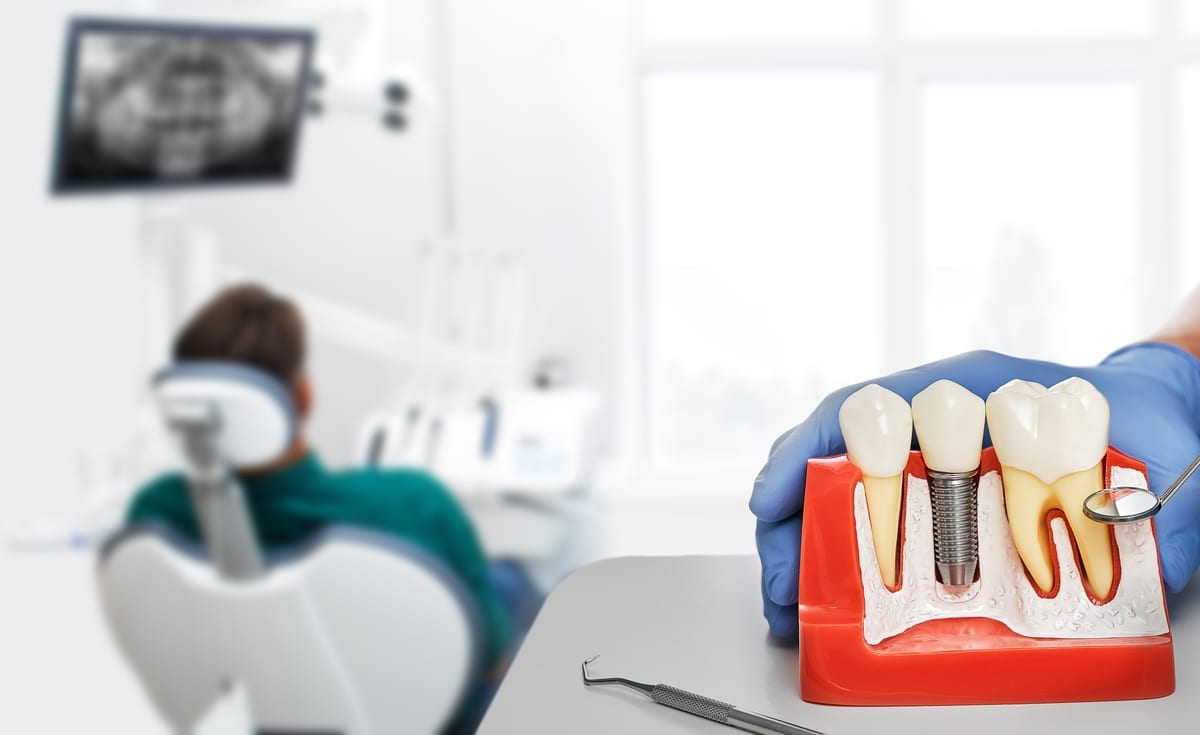
A dental implant is a small titanium post placed into your jawbone. It acts as a replacement root for a missing tooth. Over time, the bone fuses to the post in a process called osseointegration. This creates a stable, permanent foundation for a crown or bridge.
Implants have three main components. The titanium post goes into the jawbone. An abutment connects the post to the final restoration. The crown is the visible tooth-shaped cap placed on top.
Unlike dentures or bridges, implants do not rely on neighboring teeth for support. They are a standalone solution that preserves your natural jaw structure. Many patients find them far more comfortable than traditional options.
Who Is a Good Candidate for Dental Implants?
Most healthy adults with one or more missing teeth are candidates. Good candidates have adequate jawbone density to support the implant post. Healthy gums are also essential before treatment begins.
Certain health conditions may affect candidacy. Uncontrolled diabetes, heavy smoking, and bone loss can complicate the process. Your dental team will review your medical history and take X-rays to evaluate your suitability.
Age matters too. Implants are generally recommended for adults whose jawbones have fully developed. Younger patients may need to wait until growth is complete. Our dental team at Dentistry of Uptown Charlotte evaluates each patient individually to build the right plan.
Key Benefits of Dental Implants
Dental implants offer advantages that go beyond appearance. They support long-term oral health in ways other restorations cannot. Here are some of the most important benefits:
- Natural look and feel: Implants mimic real teeth in both appearance and function.
- Jawbone preservation: The titanium post stimulates the bone and prevents bone loss.
- Durability: With proper care, implants can last a lifetime.
- Improved speech: Unlike loose dentures, implants stay in place when you talk.
- Better chewing ability: You can eat your favorite foods without restriction.
- No impact on adjacent teeth: Neighboring teeth remain untouched and healthy.
Patients often report a significant boost in confidence after treatment. Smiling, speaking, and eating become easier and more enjoyable. The long-term value of implants makes them a worthwhile investment in your health.
The Dental Implant Process: What to Expect
The implant process typically unfolds in several stages. Each stage is important to the long-term success of your restoration. Here is what the journey generally looks like:
- Consultation and planning: Your dental team takes X-rays and scans. A detailed treatment plan is created based on your unique anatomy.
- Bone grafting (if needed): Some patients require bone grafting before implant placement. This builds up the jaw to support the post securely.
- Implant placement: The titanium post is surgically placed into the jawbone. The area is then left to heal over several months.
- Abutment placement: Once the bone fuses to the post, an abutment is attached. This piece connects the implant to the final crown.
- Crown placement: A custom-made crown is attached to complete the restoration. It is color-matched to blend naturally with your existing teeth.
The entire process can take several months from start to finish. Most of that time is healing, not active treatment. Patience during this phase leads to a much stronger final result.
Recovery Expectations After Implant Surgery
Recovery after implant placement is usually manageable. Most patients experience mild swelling, bruising, and discomfort in the first few days. Over-the-counter pain relievers and cold compresses help reduce these effects.
Soft foods are recommended during the initial healing period. Avoid hard, crunchy, or sticky foods that could disturb the implant site. Staying hydrated and getting adequate rest also supports healing.
Osseointegration — the bone fusing to the post — takes several months. During this time, keeping the area clean is critical. Your dental team will schedule follow-up visits to monitor your progress closely.
Late spring is a great time to begin the implant process. Starting treatment now means your smile can be fully restored before summer social events arrive. Patients in the Uptown Charlotte area enjoy a comfortable temperate climate that makes recovery easier year-round.
How to Choose the Right Provider for Dental Implants
Choosing the right dental provider is one of the most important decisions in this process. Not all practices have the same level of implant experience. Look for a team with specific training and a strong track record.
Consider these factors when evaluating a dental practice:
- Experience with implants: Ask how many implant procedures the team has performed.
- Advanced technology: 3D imaging and digital planning improve precision and outcomes.
- Patient education: A good provider explains every step clearly and answers your questions.
- Comprehensive care: Practices offering a full range of services can manage your whole treatment in one place.
- Comfort and communication: You should feel heard, respected, and comfortable throughout your care.
At Dentistry of Uptown Charlotte, our dental team offers personalized care from consultation through crown placement. We take time to explain every stage of treatment. Our goal is to help you make a confident, informed decision about your smile.
You can learn more about our team and approach on our about page. We also offer a full range of restorative and cosmetic services to support your overall oral health. Explore all available treatments on our services page.
Conclusion
Dental Implants are a proven, long-lasting solution for missing teeth. They preserve jawbone health, restore function, and dramatically improve quality of life. Understanding the process helps you approach treatment with confidence. Learn More about how we can help you.
Frequently Asked Questions
How long do dental implants last?
With proper care and regular dental visits, dental implants can last a lifetime. The crown on top may need replacement after 10 to 15 years due to normal wear. The implant post itself is designed to be a permanent fixture in the jawbone.
Is the dental implant procedure painful?
The procedure is performed under local anesthesia, so you should not feel pain during placement. Mild soreness and swelling are common in the days following surgery. Most patients find discomfort very manageable with standard over-the-counter pain relief.
How do I care for dental implants?
Caring for implants is similar to caring for natural teeth. Brush twice daily, floss regularly, and visit your dentist for routine cleanings. Avoiding tobacco and hard foods also helps protect the implant and surrounding tissue.
Can dental implants fail?
Implant failure is uncommon but can occur, especially with poor oral hygiene or uncontrolled health conditions. Signs of concern include persistent pain, swelling, or a loose implant. Early intervention gives the best chance of resolving any complications successfully.
How long does the full dental implant process take?
The timeline varies by patient but generally ranges from three to nine months. Factors like the need for bone grafting and the speed of healing affect total duration. Your dental team will give you a personalized timeline during your consultation.