Book An Appointment



Many dental problems start with small symptoms that are easy to overlook. A little sensitivity, occasional gum bleeding, or mild discomfort may not seem urgent at first. However, delaying treatment can allow minor concerns to develop into painful and expensive oral health issues.
Knowing when to seek professional dental care can help protect your smile and prevent more serious complications. If you notice any of the warning signs below, it may be time to contact the dentist for an evaluation.
Persistent Tooth Pain Should Never Be Ignored
A toothache that continues for more than a day or two is often a sign that something is wrong beneath the surface. Pain can result from tooth decay, an infection, a cracked tooth, or inflammation around the tooth’s nerve. Persistent discomfort rarely resolves on its own and usually requires professional attention. Dental experts consistently identify ongoing tooth pain as one of the most common reasons patients need prompt treatment.
If the pain becomes severe or interferes with eating, sleeping, or daily activities, scheduling an appointment right away is important.
Increased Sensitivity to Hot or Cold Foods
Have you noticed sharp discomfort when drinking coffee, eating ice cream, or consuming sweet foods? Sudden or worsening sensitivity can indicate enamel wear, tooth decay, exposed roots, or other underlying concerns. Sensitivity is often an early warning sign that should not be ignored because treatment is typically simpler when problems are detected early. A visit to a trusted dentist in Charlotte can help identify the cause and prevent further damage.
Swollen, Red, or Bleeding Gums
Healthy gums should not bleed regularly when brushing or flossing. Swelling, tenderness, redness, or bleeding can indicate the early stages of gum disease. Without proper treatment, gum disease can progress and eventually affect the bone supporting your teeth. Gum inflammation is a common warning sign that dental professionals recommend addressing as soon as possible. Professional dental care can help stop the progression of gum disease and restore gum health.
Visible Holes, Dark Spots, or Changes in Your Teeth
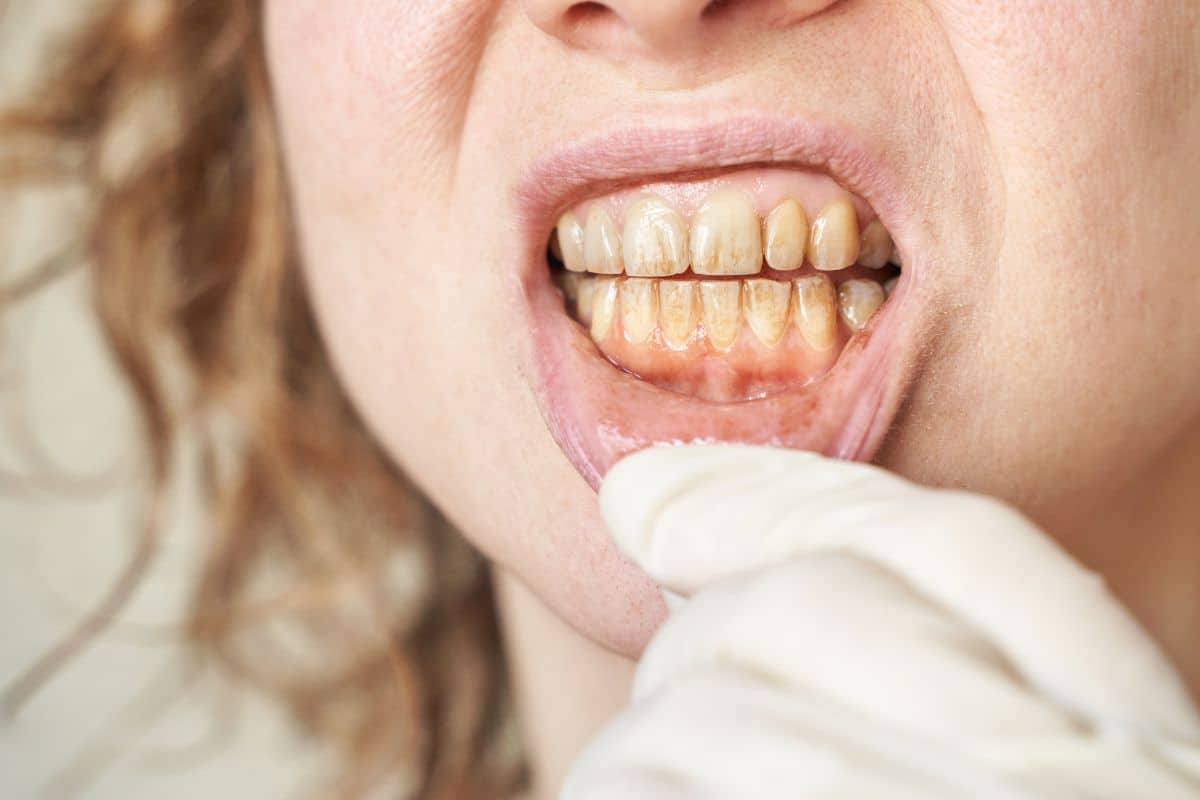
Changes in the appearance of your teeth may signal developing cavities or other forms of tooth decay. Small pits, holes, dark spots, or discoloration often indicate that bacteria have begun damaging the tooth structure. Left untreated, decay can spread deeper into the tooth and eventually require more extensive procedures. Routine examinations allow dental professionals to identify these issues before they become larger problems.
Chronic Bad Breath That Won’t Go Away
Occasional bad breath is common, but persistent bad breath may be a sign of gum disease, tooth decay, or an oral infection. If brushing, flossing, and mouthwash do not improve the problem, a dental evaluation is recommended. Long-term halitosis is often linked to underlying oral health conditions that require professional treatment.
Pain While Chewing or Biting
If chewing food causes discomfort, pressure, or sharp pain, there may be an issue with the tooth’s structure or supporting tissues. Cracks, infections, cavities, and abscesses can all create pain when biting down. Prompt treatment can prevent the condition from worsening and may help preserve the affected tooth.
Loose Adult Teeth
Adult teeth should remain stable and secure. Any looseness, shifting, or new gaps between teeth can indicate advanced gum disease, bone loss, or trauma. These symptoms should be evaluated immediately because early intervention may help save the affected teeth.
Facial or Jaw Swelling
Swelling in the face, jaw, or gums can be a sign of a serious infection. Dental infections can spread if left untreated, making prompt care essential. Swelling accompanied by fever, difficulty swallowing, or severe pain should be considered especially urgent.
Mouth Sores That Do Not Heal
Most minor mouth sores improve within a couple of weeks. If you notice ulcers, lumps, white patches, or unusual tissue changes that persist, it is important to schedule a dental examination. Early evaluation can help identify potential concerns and ensure appropriate treatment.
Why Early Treatment Matters
Dental problems rarely improve without professional care. In many cases, early treatment can prevent discomfort, reduce treatment costs, and help preserve your natural teeth. Whether you’re experiencing tooth pain, gum issues, or any other unusual symptoms, addressing concerns quickly can make a significant difference in your oral health outcomes.
At Dentistry of Uptown Charlotte, our team is committed to providing comprehensive dental care in a comfortable and welcoming environment. If you notice any of these warning signs, don’t wait for symptoms to worsen.
Visit a Dentist for Prompt Dental Care
Your oral health plays an important role in your overall well-being. If you’re experiencing tooth pain, bleeding gums, swelling, sensitivity, or other concerning symptoms, professional care can help identify the cause and provide the right treatment.
Dentistry of Uptown Charlotte is proud to serve patients seeking the best dentist in Charlotte. Our experienced team provides personalized dental care designed to keep your smile healthy, comfortable, and confident. Contact our dental clinic today to schedule an appointment and address dental concerns before they become more serious.
FAQs
How do I know if a toothache requires immediate dental attention?
If tooth pain lasts more than a day or two, becomes severe, or affects your ability to eat or sleep, you should schedule a dental appointment as soon as possible.
Why are my teeth suddenly sensitive to hot and cold foods?
Sudden sensitivity can result from enamel erosion, cavities, gum recession, or exposed tooth roots. A dentist can determine the underlying cause.
Can bad breath indicate a serious dental problem?
Yes. Persistent bad breath may be linked to gum disease, tooth decay, or oral infections that require professional treatment.
When should I visit a dental clinic for swelling in my gums or face?
Any swelling involving the gums, jaw, or face should be examined quickly, especially if accompanied by pain, fever, or difficulty swallowing.
Are loose teeth always a sign of a serious problem?
In adults, loose teeth are often a warning sign of gum disease, bone loss, or dental trauma. Early treatment may help prevent further damage and preserve the tooth.
Can untreated dental problems affect my overall health?
Yes. Oral health issues such as gum disease and infections can impact overall health and may be associated with other medical concerns. Regular dental visits help maintain both oral and general wellness.