Book An Appointment



If your tooth feels slightly cracked but looks normal, a dentist can still find and treat the issue using precise diagnostic methods and personalized dental care. Small cracks are not always visible, but they can affect how your tooth functions and feels. Addressing the problem early can prevent further damage and help you avoid more complex treatment later.
Why a Tooth Can Feel Cracked Without Visible Damage
Many patients are surprised when they feel discomfort in a tooth that appears completely fine. This often happens because the crack is too small to be seen but deep enough to affect the inner structure of the tooth.
You might notice discomfort when biting, sudden sensitivity to hot or cold foods, or a sharp sensation that comes and goes. These signs should not be ignored, even if there is no visible change in your tooth.
A trusted dentist in Charlotte will understand that symptoms often reveal more than what can be seen during a simple visual check.
How a Dentist Identifies the Problem
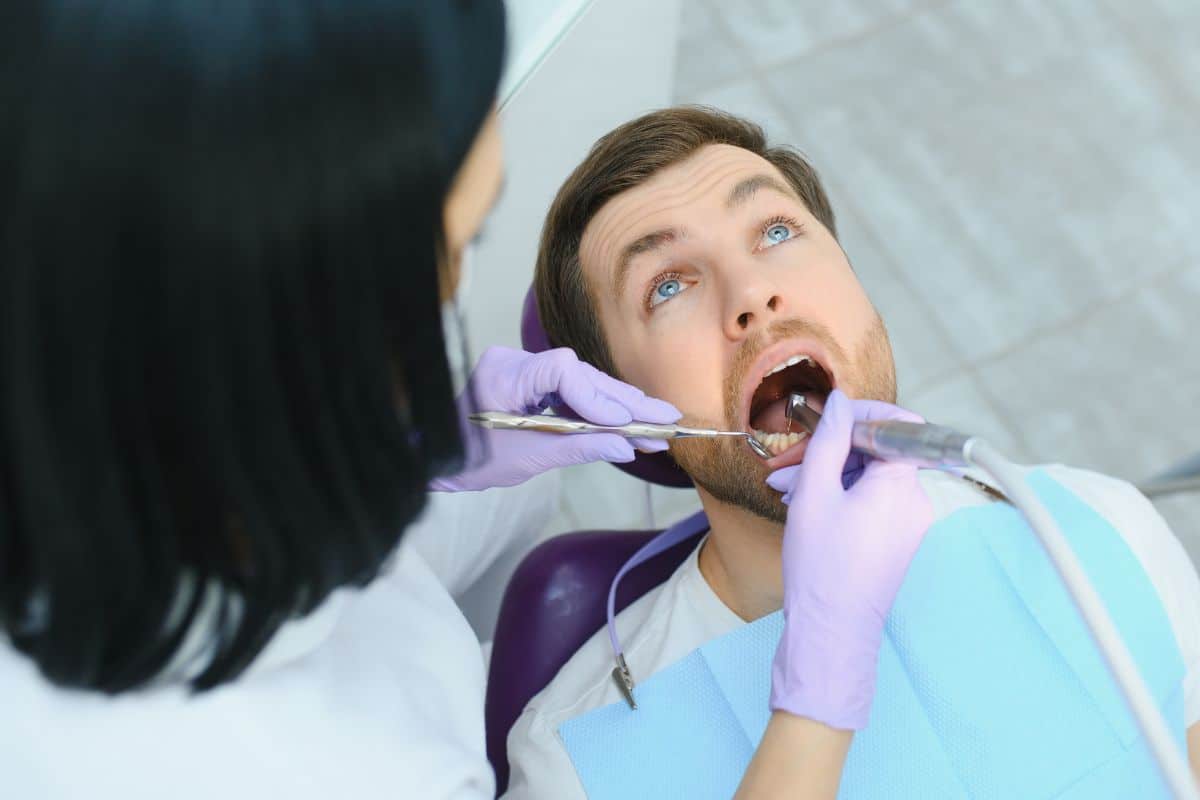
When you visit a dental clinic with these symptoms, the focus is on identifying the exact cause of discomfort. A thorough evaluation helps determine whether a small crack is present.
Bite Evaluation
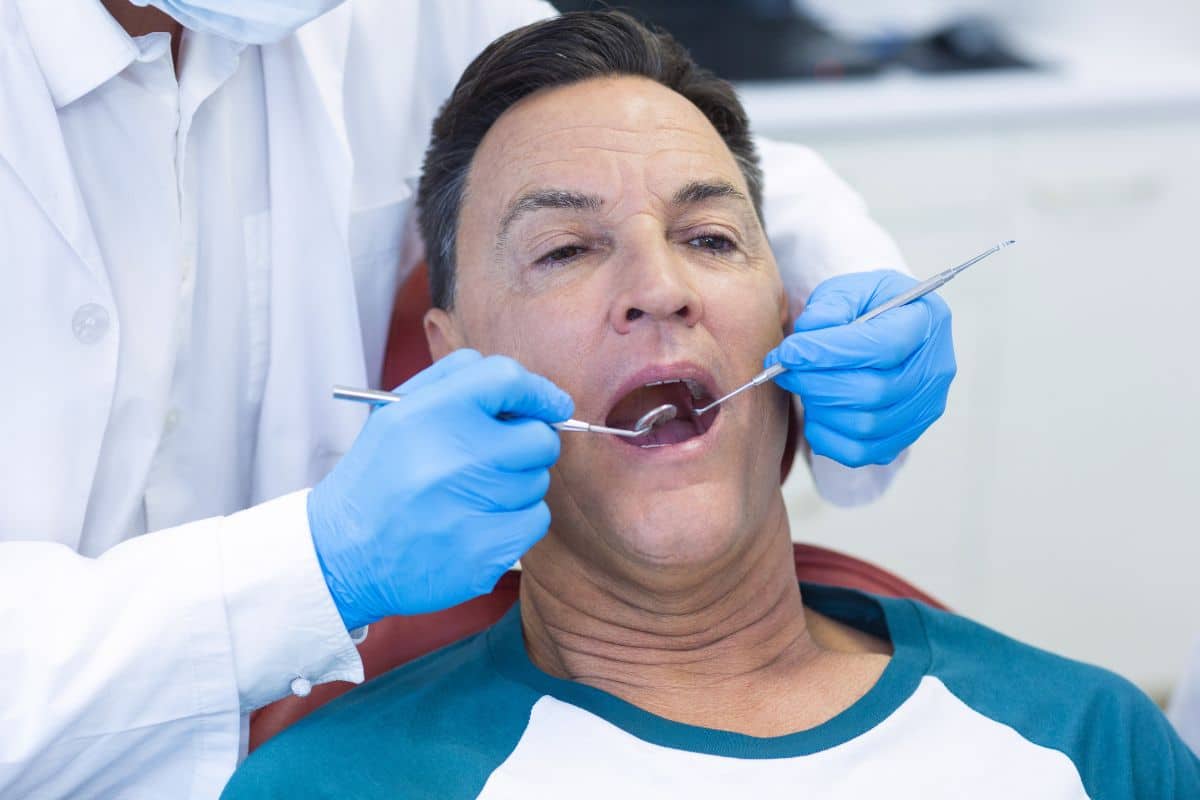
You may be asked to bite down gently on a testing tool. This helps locate the tooth that reacts under pressure and reveals where the crack might be.
Digital Imaging
Dental imaging provides a closer look at the tooth and surrounding structures. While very fine cracks may not always appear, imaging helps rule out infection or deeper concerns.
Close Examination
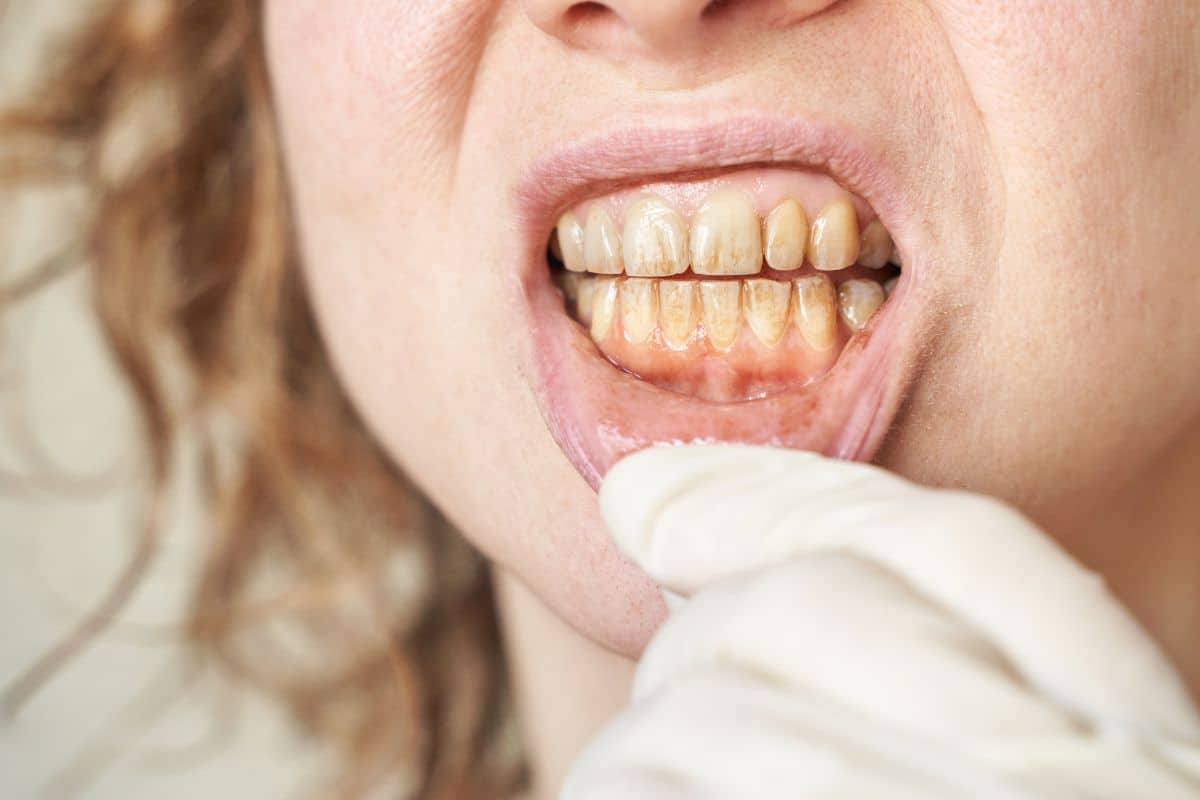
With the help of magnification and proper lighting, a dentist can often detect subtle changes in the tooth surface that are easy to miss otherwise.
At Dentistry of Uptown Charlotte, this detailed approach helps ensure that even the smallest issues are identified before they become larger concerns.
Treatment Options for a Slightly Cracked Tooth
The right solution depends on how deep the crack is and how much of the tooth is affected. A dentist will recommend treatment that restores comfort and protects the tooth.
Dental Bonding
For minor cracks, bonding is a simple and effective option. A tooth colored material is applied to seal the crack and restore the surface. This reduces sensitivity and prevents the crack from spreading.
Dental Crown
When a larger portion of the tooth is involved, a crown may be recommended. A crown covers the entire tooth, providing strength and protection while allowing you to chew comfortably again.
Root Canal Treatment
If the crack has reached the inner part of the tooth, root canal treatment may be necessary. This procedure removes the affected tissue and preserves the outer structure of the tooth.
Ongoing Monitoring
In very mild cases, the tooth may simply be monitored. However, if symptoms continue, treatment is usually the better choice to prevent further damage.
Why Early Care Makes a Difference
A small crack can become a bigger issue over time. Everyday activities like chewing or grinding can cause the crack to deepen. Without proper dental care, this may lead to more discomfort or even tooth loss.
Early treatment allows a dentist to address the problem before it becomes more serious. It also helps maintain the natural structure of your tooth whenever possible.
Common Causes of Hidden Tooth Cracks
Even routine habits can lead to small cracks that are not immediately visible. Some of the most common causes include biting hard foods, grinding your teeth at night, and sudden temperature changes from hot and cold foods.
Previous dental work can also weaken certain areas of a tooth, making it more prone to developing small fractures over time.
A trusted dentist in Charlotte will not only treat the issue but also guide you on how to reduce the risk in the future.
Protecting Your Teeth Moving Forward
Once a crack is treated or identified, taking steps to protect your teeth becomes essential. Avoid chewing on hard objects and consider using a night guard if you grind your teeth. Regular visits to your dental clinic also help catch any new concerns early.
Good oral hygiene, including brushing and flossing daily, supports overall dental health and keeps your teeth strong.
When to Schedule a Visit
If you feel discomfort in a tooth that looks normal, it is best not to wait. Pain while chewing or sensitivity that does not go away is often a sign that something needs attention.
Many patients in Charlotte choose to get these symptoms checked early, which often leads to simpler and more comfortable treatment.
Conclusion
A tooth that feels slightly cracked but looks normal can still have underlying damage that needs attention. With the right diagnosis and treatment, a dentist can restore comfort and protect your tooth from further harm. Paying attention to early signs and seeking care at the right time makes a meaningful difference in your long term dental health.
If you have noticed unusual sensitivity or discomfort while chewing, consider scheduling a visit with a trusted dentist in Charlotte. A careful evaluation can provide clear answers and help you maintain a healthy and confident smile.