Book An Appointment



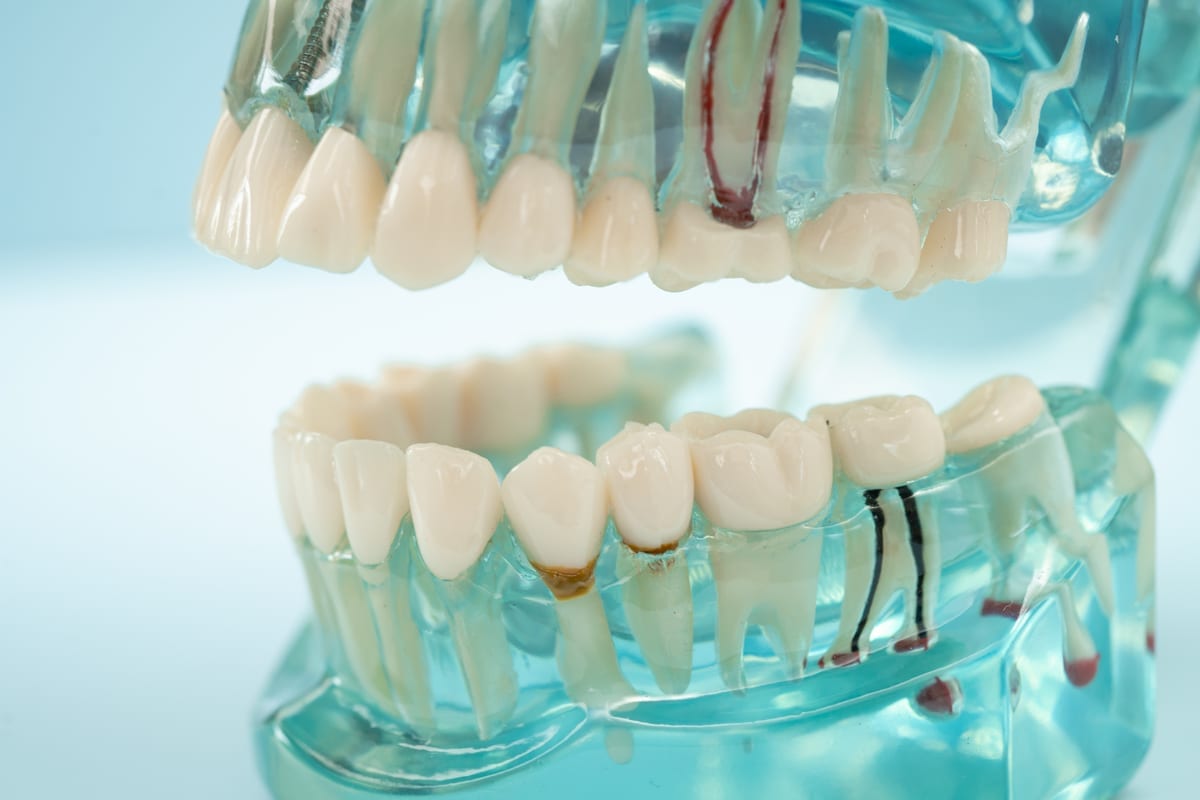
If you’ve recently had a root canal, your dentist probably told you that you need a crown next. Many patients in Charlotte wonder why this second step is necessary. Understanding why your dentist says you need a crown after root canal treatment in Charlotte can help you make confident, informed decisions about your dental health. This article breaks down the reasoning clearly and simply.
What Happens to a Tooth During a Root Canal?
A root canal removes infected or damaged pulp from inside your tooth. The pulp contains nerves and blood vessels that keep the tooth alive and nourished. Once that pulp is removed, the tooth no longer receives moisture or nutrients from the inside.
This process saves the tooth from extraction, but it also leaves it in a fragile state. The tooth becomes brittle over time. Without proper protection, it can crack or fracture under normal chewing pressure.
Think of it like a dried-out tree branch. It looks intact, but it breaks much more easily than a healthy one. A dental crown acts as a protective shell that keeps the tooth strong and functional for years to come.
Why a Crown Is Almost Always Recommended After Root Canal Treatment in Charlotte
Dentists recommend crowns after root canals for several important reasons. The crown restores the tooth’s structure and prevents future damage. Here are the main reasons your Charlotte dentist will recommend this step:
- Prevents fractures: Treated teeth are more brittle and prone to cracking under bite pressure.
- Seals the tooth: A crown covers the access point created during the root canal, blocking bacteria from re-entering.
- Restores function: You can chew comfortably without fear of damaging the treated tooth.
- Improves appearance: Crowns are color-matched to blend naturally with your surrounding teeth.
- Extends tooth life: A well-placed crown can protect a root-canal-treated tooth for 10 to 15 years or longer.
Dr. Minka Hotic at Dentistry of Uptown Charlotte evaluates each patient individually. Not every tooth requires a crown, but the vast majority of back teeth do. Front teeth may sometimes get by with just a filling, but your dentist will explain what applies to your specific situation.
What Happens If You Skip the Crown?
Skipping the crown after a root canal is a common mistake. It may feel like you’re saving time or money in the short term. However, the long-term consequences can be much more serious and costly.
A tooth without a crown after root canal treatment is highly vulnerable. It can crack vertically, which is one of the most serious dental injuries possible. A vertical crack often cannot be repaired, leading to full tooth extraction.
Once a tooth is lost, your options become more complex. You may need a Dental Implants Charlotte procedure to restore your smile and prevent bone loss. Implants are excellent solutions, but they are more involved than simply placing a crown after a root canal. Protecting your natural tooth from the start is always the better path.
Skipping the crown also risks bacterial reinfection. The temporary filling placed after a root canal is not designed for long-term use. Bacteria can work their way back in and undo the work that was already done.
What to Expect During Your Crown Appointment
Many patients feel nervous about getting a crown, but the process is straightforward and comfortable. Most crown procedures at Dentistry of Uptown Charlotte are completed in two appointments. Here is what you can generally expect:
- Tooth preparation: Dr. Hotic gently reshapes the tooth to create space for the crown.
- Impressions or digital scan: An impression or 3D scan is taken to custom-fit your crown.
- Temporary crown placement: A temporary crown protects the tooth while your permanent one is made.
- Permanent crown fitting: Your custom crown is bonded securely in place at your follow-up visit.
- Final adjustments: Dr. Hotic checks your bite and makes any small adjustments needed.
The entire process is designed to be as painless as possible. Local anesthesia keeps you comfortable throughout. If you feel anxious about dental procedures, Dr. Hotic offers sedation options to help you relax.
After your crown is placed, maintaining it is simple. Regular Dental Cleanings Charlotte appointments are important for keeping crowned teeth and surrounding gums healthy. Brushing, flossing, and routine checkups will help your crown last as long as possible.
How Long Does a Crown Last After a Root Canal?
With proper care, a dental crown can last between 10 and 20 years. Some last even longer. The lifespan depends on your oral hygiene habits, the material used, and where the tooth sits in your mouth.
Porcelain-fused-to-metal and all-ceramic crowns are common choices. Each has its own advantages in terms of durability and appearance. Dr. Hotic will recommend the best material based on your specific tooth and bite.
Grinding your teeth at night can shorten the life of a crown. If you grind, a nightguard can protect both your crown and your natural teeth. Be sure to mention any grinding habits during your consultation.
Protecting Your Investment in Your Smile
A root canal saves your tooth. A crown protects that investment. Together, they give you a complete and lasting solution. Skipping the crown puts everything at risk and can lead to more extensive treatment down the road.
At Dentistry of Uptown Charlotte, Dr. Minka Hotic and her team are committed to helping every patient understand their treatment options fully. You deserve clear answers and comfortable care at every stage of your dental journey. We welcome patients from across the Charlotte area and are happy to answer any questions you have about your treatment plan.
If you recently had a root canal or want to know more about crown placement, we are here to help. Book Now to schedule your appointment with our team.
Frequently Asked Questions
Is a crown always required after a root canal?
Not always, but it is required in most cases. Back teeth like molars and premolars experience heavy chewing forces and almost always need a crown. Front teeth may sometimes only need a filling, but Dr. Hotic will evaluate your specific tooth before making a recommendation.
How soon after a root canal should I get a crown?
You should schedule your crown appointment as soon as possible after your root canal — ideally within a few weeks. The temporary filling placed after the procedure is not meant to last long. Delaying the crown increases your risk of reinfection and tooth fracture.
Does getting a crown hurt?
The crown procedure is generally not painful. Local anesthesia is used to numb the area completely during tooth preparation. Some patients experience mild soreness or sensitivity after the appointment, but this usually resolves within a few days.
Can a crowned tooth get reinfected?
A properly placed crown significantly reduces the risk of reinfection by sealing off the tooth. However, if the crown becomes damaged or if bacteria enter through a gap at the gumline, reinfection is possible. This is why regular dental checkups and cleanings are so important.
What if my crown falls off or breaks?
Contact your dentist right away if your crown falls off or cracks. Keep the crown if you can and avoid chewing on that side of your mouth. Dr. Hotic can assess the situation and re-cement or replace the crown quickly to protect your tooth.