Book An Appointment

You have just finished your dental cleaning and your teeth feel smooth, fresh, and polished. But what you do after your appointment matters, too. The first 24 hours are an important time to protect your teeth, manage any sensitivity, and maintain the results of your professional cleaning.
At Dentistry of Uptown Charlotte, Dr. Minka Hotic and our team want patients to get the most from every appointment. Knowing what to eat, what to avoid, and how to care for your teeth afterward can help keep your smile feeling clean and healthy for longer.
Why the First 24 Hours After a Dental Cleaning Matter
During a professional dental cleaning, a dental hygienist removes plaque, tartar, and surface stains that regular brushing and flossing cannot completely eliminate. Your teeth are then polished to leave their surfaces feeling smooth and clean. Your gums may feel slightly tender afterward, particularly if you had significant tartar buildup or received a deeper cleaning. Some patients also experience temporary tooth sensitivity.
Because your teeth and gums may be more sensitive immediately after treatment, it is important to be gentle with your oral care and make thoughtful food and drink choices during the rest of the day.
What Should You Avoid After a Dental Cleaning?
Certain foods and beverages can stain your teeth or irritate sensitive gums. Avoiding them during the first 24 hours can help you maintain the fresh feeling you get after your appointment.
Try to limit or avoid:
- Coffee and tea
- Red wine
- Dark-colored sodas and juices
- Tomato-based sauces
- Soy sauce
- Balsamic vinegar
- Dark berries
- Highly acidic foods and drinks
- Tobacco products
If you regularly drink coffee or tea, giving your teeth a break for 24 hours can help minimize new surface staining. When you do return to these beverages, drinking water afterward can help rinse away pigments and acids left behind on your teeth.
What Can You Eat After Your Teeth Cleaning?
You do not need to avoid food after a routine cleaning. However, choosing mild, lighter-colored foods can be more comfortable if your teeth or gums feel sensitive.
Good options include:
- Chicken
- Rice
- Plain pasta
- Yogurt
- Cheese
- Eggs
- Bananas
- Oatmeal
- Light-colored vegetables
It is also a good idea to drink plenty of water. Water helps rinse food particles and acids from your mouth while keeping your mouth hydrated.
If your hygienist gives you specific dietary instructions after your appointment, follow those recommendations instead, particularly if you received additional treatment.
How to Care for Your Teeth After a Cleaning
Your at-home routine plays a major role in maintaining the results of professional care. After teeth cleaning in Charlotte, continue brushing and flossing, but be gentle if your gums are tender.
Here are some simple steps to follow:
Brush Gently
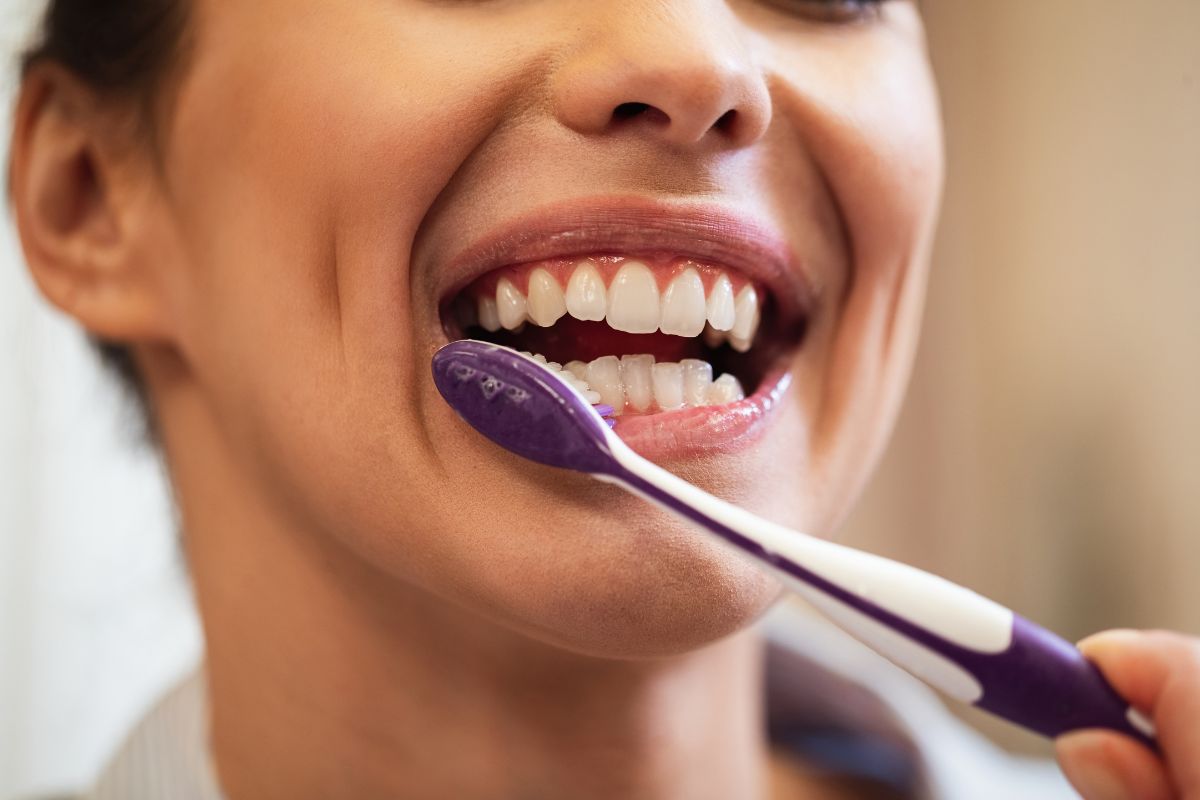
Use a soft-bristled toothbrush and gentle pressure. Brushing harder does not make your teeth cleaner and may irritate your gums or contribute to enamel and gum damage over time.
Floss Carefully
Continue flossing once a day to remove plaque and food debris between your teeth. If your gums are slightly sensitive, floss gently rather than skipping the habit altogether.
Use Fluoride Toothpaste
A fluoride toothpaste helps strengthen enamel and protect against cavities. If you experience frequent sensitivity, your dentist may also recommend a toothpaste specifically designed for sensitive teeth.
Drink More Water
Water helps wash away food particles and acids while supporting saliva production. Choosing water instead of sugary or acidic beverages is one of the simplest ways to support your oral health.
Avoid Smoking and Vaping
Tobacco can stain your teeth and negatively affect your gums. Avoiding smoking and vaping after a cleaning can help you maintain a cleaner mouth and support healthier gum tissue.
How to Manage Tooth Sensitivity After a Cleaning
Temporary sensitivity is common after a professional cleaning. You may notice discomfort when eating something cold, drinking a hot beverage, or consuming something sweet. In most cases, this sensitivity improves within a day or two.
You can make yourself more comfortable by:
- Using toothpaste made for sensitive teeth
- Avoiding extremely hot or cold foods
- Limiting acidic foods and beverages
- Drinking lukewarm water
- Brushing with a soft-bristled toothbrush
- Avoiding aggressive brushing
If your sensitivity is severe, continues for several days, or affects a specific tooth, contact your dental office. Persistent sensitivity may have another underlying cause that needs professional evaluation.
Patients with dental implants or other restorations should also tell their hygienist about them before a cleaning. Your dental team can adjust care based on your specific needs.
How Long Do Dental Cleaning Results Last?
A professional cleaning gives your teeth a fresh start, but plaque begins accumulating again as you eat and drink throughout the day. Your daily habits determine how long that clean feeling lasts.
To maintain your results:
- Brush twice a day for two minutes
- Floss at least once daily
- Choose water more often than sugary beverages
- Limit frequent snacking on sugary foods
- Avoid tobacco products
- Maintain regular professional cleanings
- Follow your dentist’s recommendations for preventive care
Regular dental visits also allow your dental team to monitor your gums, teeth, and existing restorations. The recommended cleaning schedule can vary depending on your oral health, plaque buildup, and risk of gum disease.
When Should You Schedule Your Next Cleaning?
Many people benefit from professional cleanings every six months. However, that schedule is not appropriate for everyone. Patients with gum disease, heavy tartar buildup, certain medical conditions, or a history of frequent dental problems may need professional cleanings more often.
Dr. Minka Hotic can evaluate your oral health and recommend an appropriate schedule based on your individual needs.
Conclusion: Make Your Cleaning Results Last
A professional dental cleaning removes buildup that daily brushing and flossing cannot completely address. But maintaining those results starts as soon as you leave the dental office. For the first 24 hours, avoid heavily staining foods and beverages, choose gentle oral care, drink plenty of water, and pay attention to any sensitivity. Then continue your regular brushing, flossing, and preventive dental visits.
If you are due for your next cleaning, schedule an appointment with Dentistry of Uptown Charlotte to keep your teeth and gums healthy between visits.
Frequently Asked Questions
Can I eat immediately after a dental cleaning?
For a routine cleaning, you can generally eat afterward. If your teeth or gums feel sensitive, waiting a short time and choosing soft, mild foods may be more comfortable. Follow any specific instructions provided by your dental team.
How long should I avoid coffee after a dental cleaning?
If possible, avoid coffee for about 24 hours after your cleaning, particularly if you are concerned about staining. If you drink coffee sooner, rinsing your mouth with water afterward can help remove some residue.
Is tooth sensitivity normal after a cleaning?
Mild sensitivity can occur after a professional cleaning, especially when tartar has been removed from around the gumline. It typically improves within a day or two. Contact your dentist if sensitivity is severe or does not improve.
Should I brush my teeth after a dental cleaning?
Yes. Continue your normal brushing routine after your appointment, but use a soft-bristled toothbrush and gentle pressure if your gums feel tender.
How often do I need a professional dental cleaning?
Many patients need a professional cleaning every six months, but some require more frequent appointments. Your dentist can recommend a schedule based on your gum health, tartar buildup, and individual risk factors.