Book An Appointment




Being concerned with problems related to bites, overbites, underbites, and crossbites makes you one of many people around the world suffering from dental issues. It is not only about the aesthetic appeal of your smile, but also the dental health and wellness of your teeth and gums. Discomfort during chewing or insecurity while smiling can affect your overall self-esteem. However, your dental problems can be addressed with modern technological innovations, and one of the best and most popular of these is Invisalign.
In contrast to traditional braces that may be bulky and uncomfortable, Invisalign braces are almost invisible and removable when you want to eat or brush your teeth. Still, you might be wondering whether this treatment can correct overbites, underbites, or crossbites. In this blog, we will see how Invisalign is used to treat these conditions and why this treatment might be just what you have been searching for.
What is Invisalign?
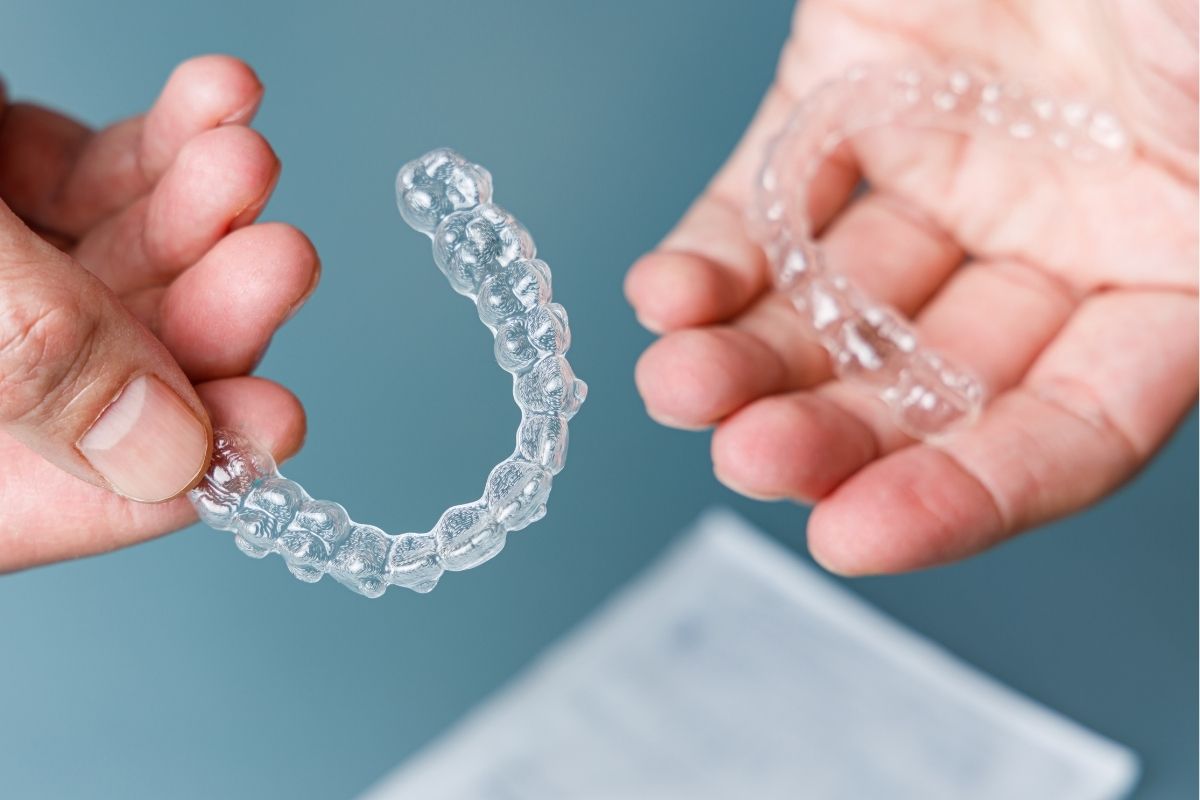
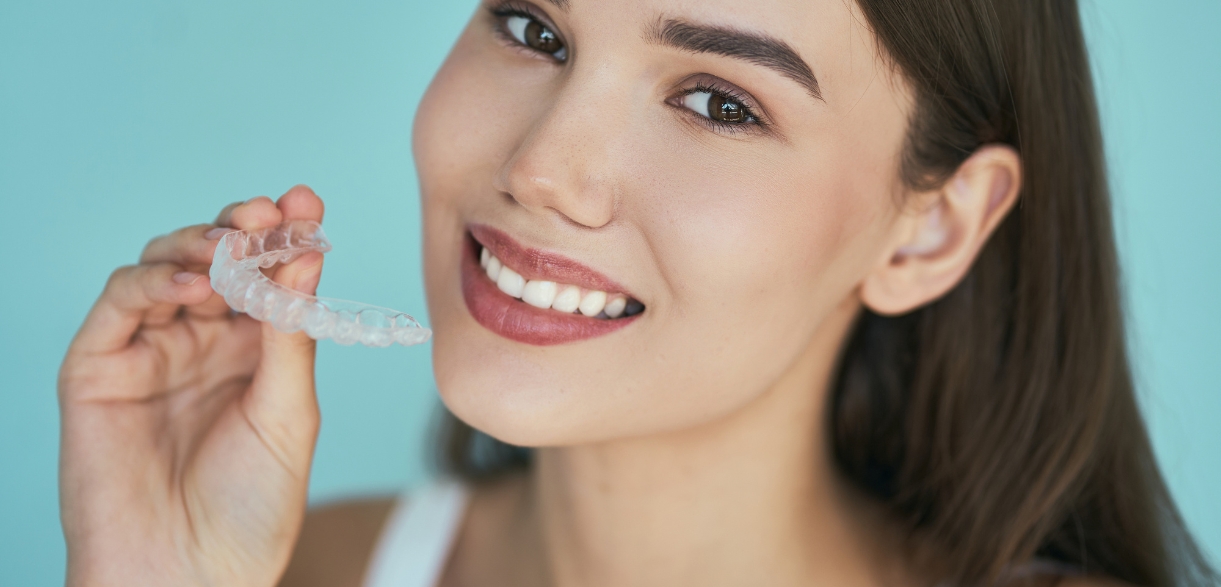
The Invisalign treatment consists of a series of invisible, removable aligners that gradually move your teeth into place. The aligners are custom-fit to your teeth and apply a gentle pressure to move them to the desired position. The aligners are a far more attractive option to traditional metal braces, especially designed for teens and adults who may be self-conscious about wearing braces.
As the aligners are nearly imperceptible, many people find this procedure appealing for addressing orthodontic issues. Additionally, they are also detachable, so you can enjoy the food you want without worrying about damaging the appliance’s wires or brackets.
Understanding Overbites, Underbites, and Crossbites
To understand how Invisalign in Charlotte, NC works, it is essential first to analyze the dental problems. Here’s what overbite, underbite, and crossbite actually mean:
- Overbite: An overbite can be defined as the state in which the upper front teeth overlap the lower front teeth. An overbite is often associated with discomfort. An overbite can cause problems with chewing and speaking, and even lead to tooth wear.
- Underbite: In this condition, the lower teeth overlap the upper teeth, which may result in eating difficulties as well as speech problems.
- Crossbite: Sometimes, the upper teeth bite inside the lower teeth. Such a problem can cause uneven tooth wear, gum problems, and even bone loss if left untreated.
All these bite problems are not simply cosmetic. They can cause other health issues, such as difficulty chewing, speaking, or even properly cleaning teeth. If left untreated, they can lead to more severe dental problems down the line, such as gum disease, tooth decay, or even jaw pain.
Can Invisalign Help with Complex Bite Issues?
Both overbites and underbites, along with crossbites, are various bite problems that Invisalign can competently address. Gently forcing the teeth into places for better alignment, clear aligners press with steady, light pressure to slowly guide them toward their target alignment with each new set.
- Overbite: The system works by gradually repositioning the upper and lower teeth so they meet in an ideal position. The uppers will move back, and the lowers will move forward to straighten the bite.
- Underbite: For underbites, the aligners shift the lower teeth into place through backward movements while encouraging the forward movement of the upper teeth for a balanced bite.
- Crossbite: Crossbites can also be treated with aligners, nudging the upper teeth outward or the lower teeth inward so the two arches fit together correctly.
Each aligner tray will be designed to fit just your teeth and your bite. If you are considering Invisalign in Charlotte, NC, consult a professional dentist or an orthodontist to assess your situation and develop a custom plan.
The Benefits of Invisalign for Bite Problems
Invisalign offers many clear benefits for bite correction compared to the outdated metal braces approach. Here is a look at what catches the eye:
- Aesthetics: Your braces are almost invisible, so you can smile confidently as you work on making your teeth straight.
- Comfort: They are made of smooth plastic and, as a consequence, are easier on the mouth compared to metal braces and wires.
- Removable: You can remove them after eating, drinking, or brushing, making it much easier to keep your mouth clean.
- No Food Restrictions: Unlike braces, where diet restrictions apply, with Invisaligns, all you need to do is remove the product before eating, and that is it.
- Fewer Office Visits: This means you will not have to make as many appointments for tightenings and adjustments.
How Long Does Invisalign Treatment Take?
Invisalign treatment length is often the question on everyone’s lips. However, the treatment length is definitely not one-size-fits-all. In other words, the complexity of your treatment determines just how long it will last. Typically, the aligners should be worn for about 12 to 18 months.
Usually, you are supposed to change to a fresh set of aligners after two weeks, and each time you do, the aligners push your teeth a step closer to the desired position. Every time you visit, your orthodontist examines the progress you have made.
Achieve a Straight Smile Today
At Dentistry of Uptown Charlotte, we recognize that a confident smile and healthy oral health should be accessible to every individual. If you have an overbite, underbite, or crossbite, Invisalign is the solution you have been waiting for. It is a discreet, comfortable, and functional method that has helped patients regain their smile and healthy oral health.
We welcome you to schedule a consultation with our team to learn how Invisalign treatment can benefit you. Our team will walk you through the process to ensure this treatment is comfortable and personalized. Contact us at Dentistry of Uptown Charlotte today to schedule an appointment and take your first step towards a more confident smile.
FAQs
- Can Invisalign fix an overbite?
Yes, Invisalign can effectively treat an overbite by gently shifting the upper and lower teeth into proper alignment over time. Custom-made aligners gradually reposition teeth, improving both function and appearance for a more balanced bite. - How long does Invisalign treatment take?
Invisalign treatment typically takes between 12 and 18 months, though this can vary depending on the complexity of your bite issue. Regular check-ups with your orthodontist will ensure your progress stays on track for optimal results. - Is Invisalign effective for crossbites?
Yes, Invisalign aligners are highly effective for correcting crossbites. By gradually shifting misaligned teeth, Invisalign helps ensure that both the upper and lower arches fit together correctly, reducing the risk of tooth wear and gum issues. - Are Invisalign aligners uncomfortable?
Invisalign aligners are made from smooth, BPA-free plastic, making them more comfortable than traditional braces. While you may feel mild discomfort initially, this typically subsides as your teeth adjust to the aligners. - Can I eat and drink with Invisalign?
No, Invisalign aligners should be removed before eating or drinking to prevent food particles from getting stuck and to protect the aligners. They’re easy to remove and clean, making for a hassle-free mealtime. - How often should I wear my Invisalign aligners?
For optimal results, Invisalign aligners should be worn 20 to 22 hours daily. The aligners should only be removed for eating, drinking, brushing, and flossing to ensure your treatment progresses effectively and on schedule.