Book An Appointment




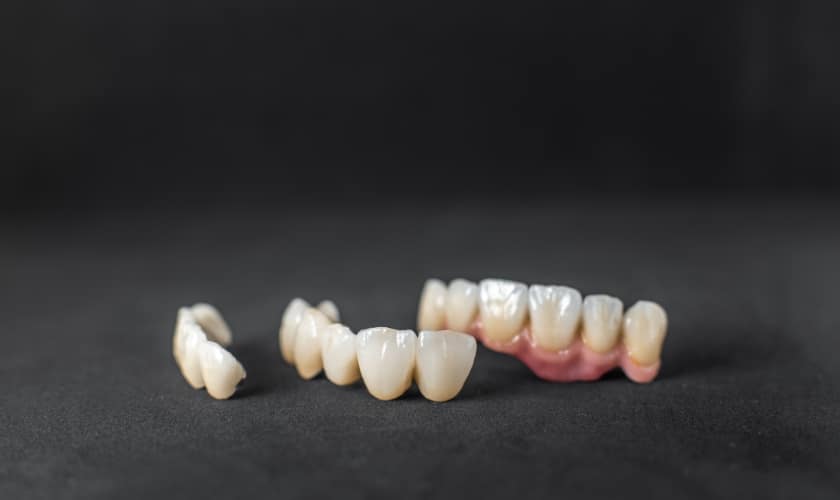
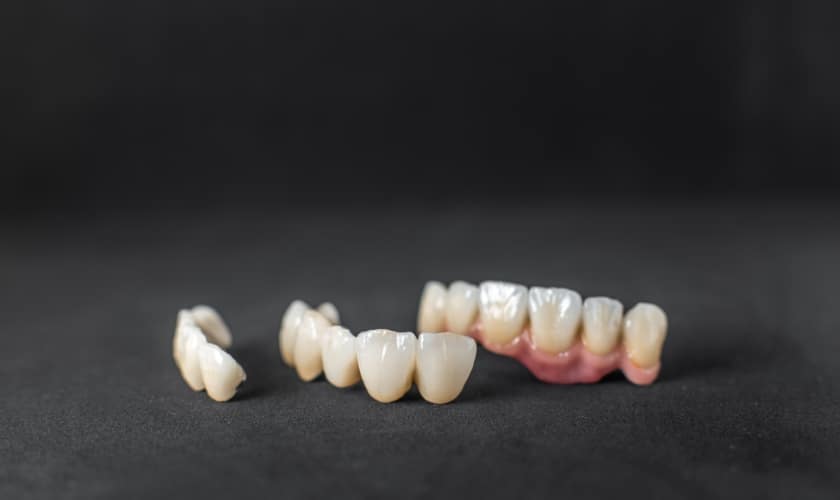
Your dental crown just fell out, and you’re probably wondering what to do next. Whether it happened while eating, brushing your teeth, or unexpectedly during the day, a loose or missing crown can feel alarming. The good news is that there are steps you can take to protect your tooth while arranging dental care.
A crown helps protect a weakened or restored tooth from pressure, bacteria, and further damage. Once it comes off, the underlying tooth is exposed. Getting evaluated promptly can help prevent additional problems and determine whether the crown can be placed back or needs to be replaced.
At Dentistry of Uptown Charlotte, Dr. Minka Hotic and our team help patients address unexpected dental problems and determine the most appropriate treatment for their situation.
Why Does a Dental Crown Fall Out?
A Dental crown can become loose or fall out for several reasons. The most common include:
- Weakening of the dental cement
- Tooth decay underneath or around the crown
- A crack or fracture in the underlying tooth
- Normal wear over time
- Excessive pressure from grinding or clenching
- Biting down on hard or sticky foods
Sometimes a crown has been gradually loosening without causing noticeable symptoms. A hard or sticky food may simply be the final event that causes it to come off.
The reason the crown fell out matters because your dentist needs to evaluate both the crown and the tooth underneath it. If the tooth has developed decay or structural damage, simply putting the old crown back may not be enough.
What Should You Do When a Crown Falls Out?
The first step is to stay calm. A lost crown is usually treatable, especially when you arrange care promptly.
Follow these steps:
- Find the crown. If you can locate it, gently rinse it with water and place it in a clean container.
- Do not throw it away. Your dentist may be able to reuse it if it is intact and still fits properly.
- Keep the tooth clean. Brush gently around the exposed tooth and maintain good oral hygiene.
- Avoid chewing on that side. Hard, crunchy, or sticky foods can damage the exposed tooth.
- Avoid extreme temperatures. The exposed tooth may become more sensitive to hot and cold foods and drinks.
- Contact your dentist promptly. An examination can determine whether the crown can be re-cemented or needs replacement.
If your dentist recommends temporary dental cement, follow the product instructions carefully and use it only as a short-term measure. Never use super glue or household adhesives to attach a crown.
What Should You Avoid After Losing a Crown?
Knowing what not to do can be just as important as knowing what to do.
Don’t Use Super Glue
Household adhesives are not designed for use inside your mouth. They can damage the crown, irritate your gums, and make professional treatment more difficult.
Don’t Chew on the Exposed Tooth
The tooth underneath a crown may be weaker than a natural, untreated tooth. Hard foods can cause additional damage or contribute to a fracture.
Don’t Ignore New Pain
Sensitivity, swelling, significant pain, or discomfort when biting can indicate that the tooth needs additional treatment. These symptoms should be evaluated rather than ignored.
Don’t Wait Indefinitely
Even if the tooth feels fine, the missing crown leaves it less protected. Prompt dental care gives your dentist the opportunity to identify the cause and protect the tooth before the problem becomes more complicated.
When Should You Seek Emergency Dental Care?
A lost crown deserves prompt attention, particularly if you are experiencing symptoms.
Contact your dentist as soon as possible if you notice:
- Severe or persistent tooth pain
- Significant sensitivity
- Swelling around the tooth or gums
- Bleeding that does not stop
- Pain when biting
- A sharp or broken edge
- A cracked or fractured tooth
- Signs of infection
If you have facial swelling, difficulty breathing or swallowing, or rapidly worsening symptoms, seek emergency medical attention. For less severe situations, your dentist can determine how quickly you need to be seen and what treatment is appropriate.
Can a Lost Crown Be Put Back?
Sometimes, yes. Whether your existing crown can be re-cemented depends on the condition of the crown and the tooth underneath it. During your appointment, your dentist will examine the tooth and crown. An X-ray may also be recommended if there is concern about decay, infection, or damage that cannot be seen during a visual examination.
If the crown remains intact and the underlying tooth is healthy, your dentist may be able to clean the area and re-cement the existing crown.
However, a replacement may be necessary if:
- The crown is cracked or damaged
- The tooth underneath has significant decay
- The tooth has fractured
- The crown no longer fits properly
- The restoration has reached the end of its useful life
The goal is to choose the most conservative treatment that provides adequate protection and restores proper function.
What Happens During a Same Day Crown Appointment?
When a crown comes off, the first priority is determining why it happened and whether the tooth can be restored. Your dentist will examine the affected area and evaluate the condition of the existing crown. If the tooth needs additional treatment, that issue will be addressed before a new restoration is placed. For patients who need a replacement restoration, same-day crown in Charlotte treatment may be an option depending on the condition of the tooth, the type of restoration required, and the technology available at the dental office.
Same day crown technology can allow certain patients to have a digitally designed and fabricated crown during a single visit rather than waiting for a traditional laboratory restoration. Not every patient or tooth is a candidate for same day treatment. Your dentist will determine which option is appropriate after evaluating your specific situation.
How Can You Prevent Crown Problems?
Once your crown has been repaired or replaced, proper care can help extend its lifespan. Brush twice a day with fluoride toothpaste and clean carefully around the gumline. Floss daily to remove plaque and food particles from between your teeth. Regular dental examinations are also important. Your dentist can monitor the crown, check the surrounding tooth structure, and identify signs of decay or wear before they become larger problems.
If you grind or clench your teeth, ask your dentist whether a custom nightguard could help protect your crown. Excessive pressure from grinding can contribute to premature wear or restoration failure. It’s also wise to avoid using your teeth to open packages, bite fingernails, or break hard objects. These habits can put unnecessary stress on crowns and natural teeth alike.
What If the Tooth Cannot Be Saved?
In some situations, the tooth underneath a missing crown may have extensive decay or structural damage. If it cannot be restored, your dentist will discuss other options for replacing the tooth. Depending on your needs, treatment may include a dental implant, bridge, or another restorative solution.
The right choice depends on the condition of your oral health, the location of the missing tooth, your bite, and your long-term goals. Your dentist can explain the advantages and limitations of each option before treatment begins.
Don’t Ignore a Missing Dental Crown
A missing Dental crown may not always cause immediate pain, but that does not mean the tooth should be left untreated. The exposed tooth can be more vulnerable to sensitivity, bacteria, and further damage. Keep the crown if you have it, avoid chewing on the affected side, and contact your dentist for an evaluation. If a replacement is necessary, ask whether same day crown treatment may be appropriate for your situation.
At Dentistry of Uptown Charlotte, Dr. Minka Hotic and our team can evaluate your tooth, explain your options, and help you determine the next step toward restoring your smile. Schedule your appointment today!
Frequently Asked Questions
Is a fallen crown a dental emergency?
Yes, a fallen crown should be treated as a dental emergency. The exposed tooth is vulnerable to bacteria, sensitivity, and physical damage. Calling your dentist the same day is strongly recommended to protect the tooth and avoid more complex treatment later.
Can I reattach my crown at home?
You can use temporary dental cement from a pharmacy to seat the crown back over the tooth temporarily. This reduces sensitivity and protects the tooth until your dental visit. Never use super glue or household adhesives, as these can cause serious damage to the tooth and gum tissue.
What if my crown is broken or I can’t find it?
If the crown is cracked or missing entirely, bring any pieces you have to your appointment. Your dentist will assess the underlying tooth and determine whether the existing crown can be repaired or whether a new one needs to be made. Do not place a broken crown back on the tooth.
How long can I wait before seeing a dentist after a crown falls out?
You should not wait more than a day or two. Without the crown, the underlying tooth is exposed and can decay rapidly. Pain and infection can develop quickly, especially if the tooth already had existing sensitivity. Same-day or next-day care is always the safest approach.
Will I need a new crown or can the old one be re-cemented?
It depends on the condition of both the crown and the tooth beneath it. If the crown is intact and the tooth is free of new decay, re-cementing is often all that’s needed. If there is decay, damage, or the crown no longer fits properly, a new crown may be necessary. Your dentist will assess everything during your visit.