Book An Appointment




Dental implants are designed to be a long-term solution for missing teeth, but how long do dental implants actually last? With proper care, the implant itself can often last for decades, while the crown attached to it may eventually need replacement. Understanding what affects implant longevity can help you protect your investment and maintain a healthy smile for years to come.
At Dentistry of Uptown Charlotte, Dr. Minka Hotic helps patients understand the factors that influence the success of dental implants, from oral hygiene and bone health to everyday habits and regular dental care.
How Long Do Dental Implants Last?
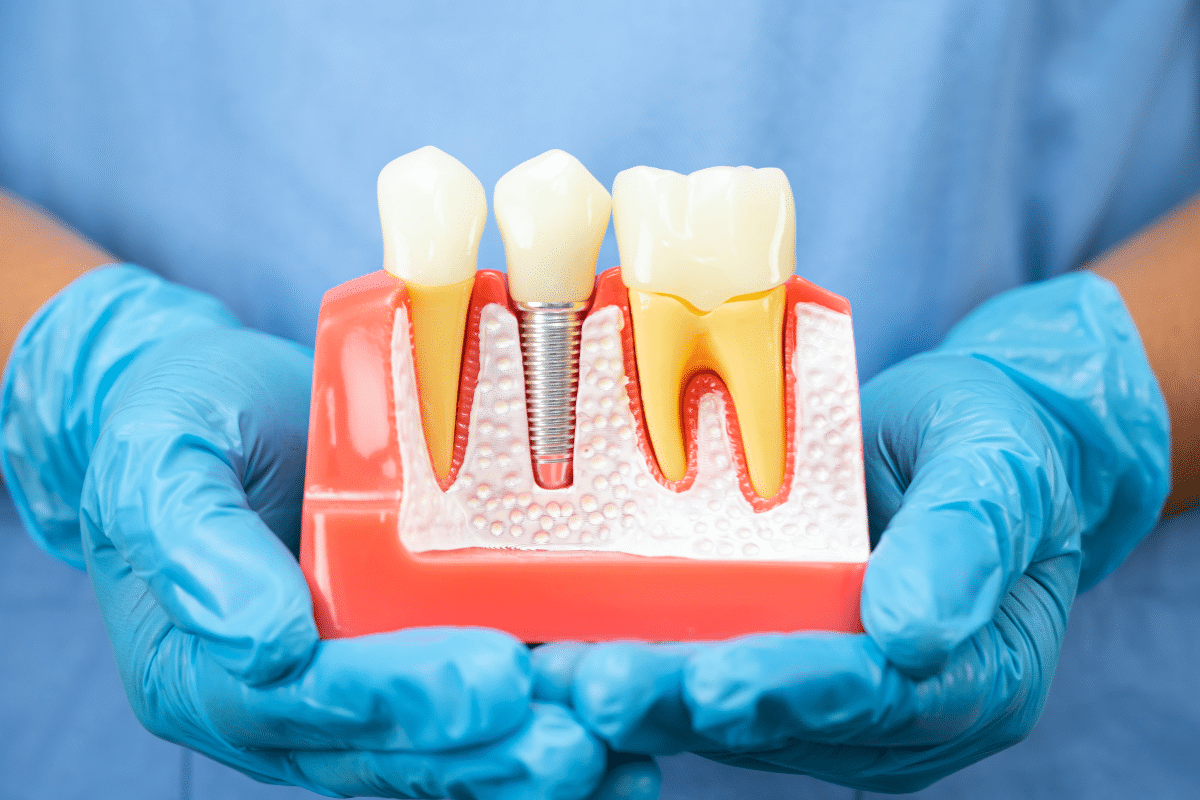
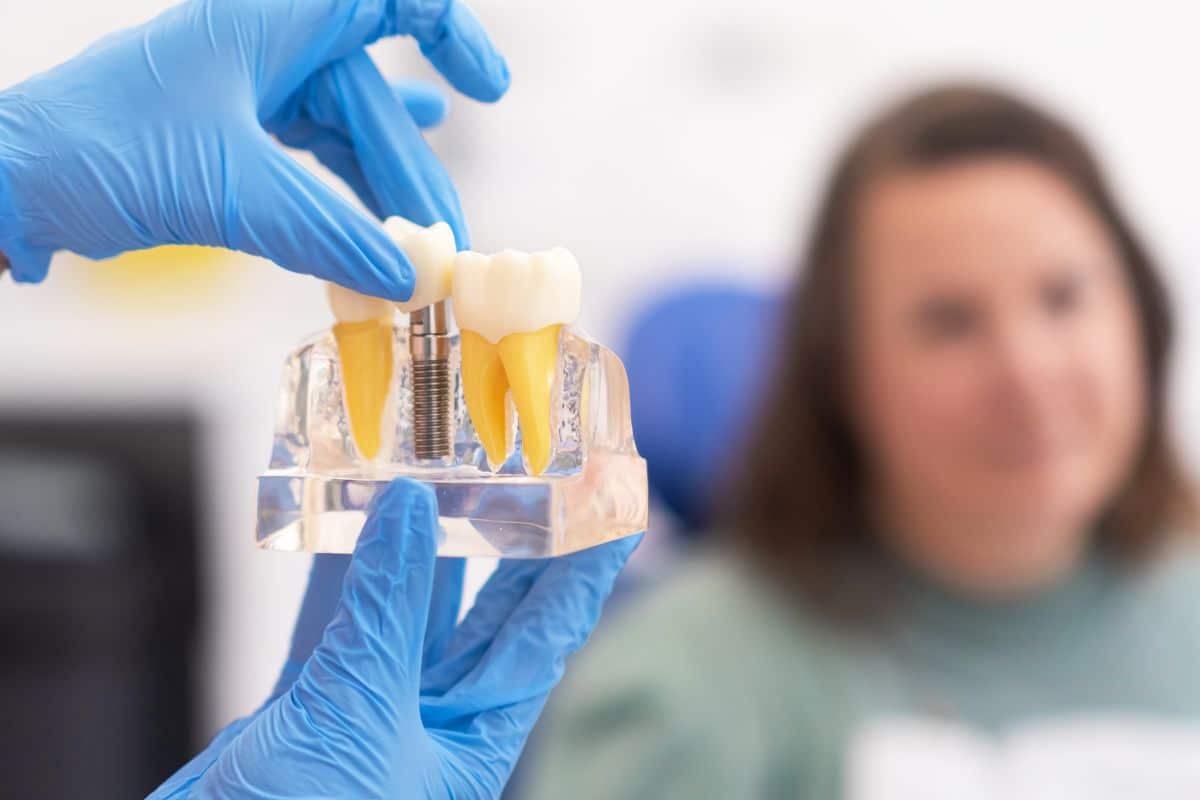
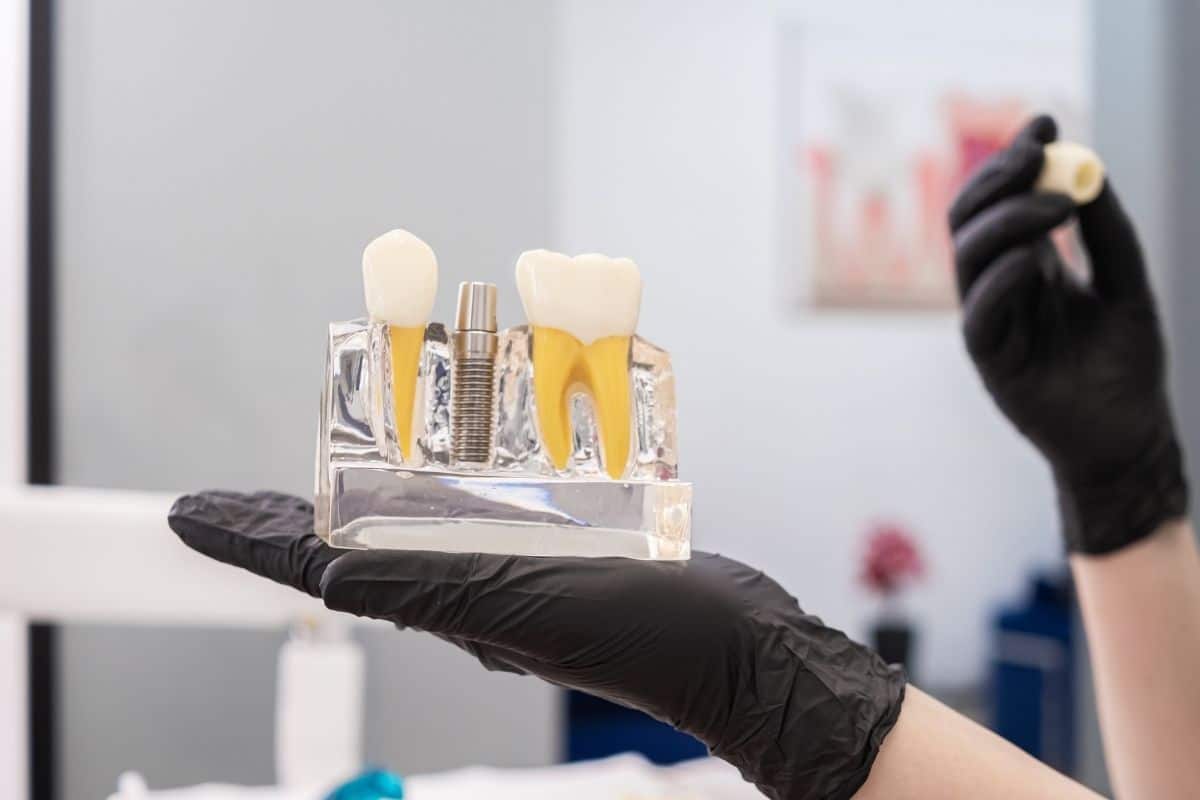
Dental implants have a high long-term success rate, with studies showing success rates above 95% at 10 years. Many implants continue functioning well beyond 20 or 25 years when they are properly placed and maintained. It is important to understand that a dental implant has multiple components. The titanium implant post is designed to integrate with the jawbone and provide a stable foundation. The crown, however, is exposed to daily chewing forces and may experience normal wear over time.
A dental crown commonly lasts around 10 to 15 years, although its lifespan can vary depending on your bite, oral hygiene, diet, and habits such as teeth grinding. Before recommending dental implants, Dr. Hotic reviews your dental history and evaluates your overall oral health. Factors such as previous tooth loss, gum health, bone density, and existing dental conditions can all affect the long-term success of treatment.
What Can Affect the Lifespan of Dental Implants?
Dental implants are highly durable, but they are not completely maintenance-free. Certain health conditions and habits can increase the risk of complications and shorten the lifespan of your restoration.
Common factors that can affect implant longevity include:
- Poor oral hygiene: Plaque and bacteria can accumulate around an implant and contribute to peri-implantitis, which can damage the surrounding bone.
- Smoking and tobacco use: Tobacco can interfere with healing and increase the risk of implant complications.
- Teeth grinding: Bruxism can place excessive pressure on the implant and crown.
- Uncontrolled diabetes: Poorly controlled blood sugar can affect healing and increase the risk of infection.
- Bone loss: Adequate bone is essential for providing a stable foundation for the implant.
- Untreated gum disease: Periodontal disease can affect the tissues and bone supporting an implant.
- Skipping dental appointments: Regular examinations help identify potential problems before they become more serious.
Many of these risks can be managed with appropriate dental care. Addressing oral health concerns before implant placement can also help create better conditions for successful treatment.
How to Make Dental Implants Last Longer
Although implants are designed for durability, your daily habits play an important role in protecting them. Good oral hygiene and routine professional care can help keep the implant, crown, gums, and surrounding bone healthy.
Follow these steps to protect your implants:
Brush Twice a Day
Use a soft-bristle toothbrush and fluoride toothpaste to clean your teeth and implant restoration. Brush gently around the gumline to remove plaque without irritating the surrounding tissues.
Clean Between Your Teeth Daily
Flossing or using an interdental cleaner helps remove food particles and plaque from areas your toothbrush cannot reach. Your dental team can recommend the best cleaning method for your specific implant restoration.
Maintain Regular Dental Cleanings
Professional cleanings remove plaque and tartar that cannot always be eliminated through brushing and flossing alone. Regular visits also allow your dentist to monitor the health of the tissues surrounding your implant.
Protect Your Teeth From Grinding
If you grind or clench your teeth, ask your dentist whether a custom nightguard may be appropriate. Reducing excessive pressure can help protect both your implant crown and natural teeth.
Avoid Hard and Non Food Items
Chewing ice, hard candy, pens, or other hard objects can damage a dental crown. Avoiding these habits can help prevent unnecessary wear or fractures.
Keep Your Follow Up Appointments
Routine examinations allow your dentist to check the implant, crown, bite, gums, and surrounding bone. Detecting a problem early can make treatment simpler and help protect the restoration.
Why Professional Care Matters for Implant Longevity
Choosing an experienced dental implant provider in Charlotte is an important part of protecting your long-term investment. Implant success does not depend only on the implant itself. Careful treatment planning, healthy supporting tissues, proper placement, and appropriate restoration all contribute to long-term results.
At Dentistry of Uptown Charlotte, Dr. Minka Hotic evaluates each patient’s oral health before recommending treatment. This may include reviewing dental history, assessing gum health, evaluating available bone, and identifying habits or medical factors that could affect healing. The goal is to create a treatment plan that supports both immediate results and long-term oral health.
How Bone Health Affects Dental Implant Success
Healthy jawbone is essential for dental implants. After a tooth is lost, the bone surrounding the empty space can gradually shrink because it no longer receives stimulation from the natural tooth root. The titanium implant needs sufficient healthy bone to integrate properly through a process known as osseointegration. This connection provides the stability needed for everyday chewing.
In some cases, patients who have experienced significant bone loss may need additional treatment, such as bone grafting, before an implant can be placed. Treating gum disease and other oral health problems before implant placement can also improve the foundation for successful treatment. For this reason, a thorough evaluation is an important part of planning dental implant treatment.
Signs Your Dental Implant May Need Attention
Dental implants should not normally cause persistent pain or discomfort. If you notice changes around an implant, contact your dentist rather than waiting for the problem to worsen.
Signs that may require evaluation include:
- Persistent tenderness or swelling around the implant
- Bleeding when brushing or cleaning around the implant
- Changes in how your implant crown fits or feels
- Difficulty chewing comfortably
- A loose crown or implant restoration
- Redness or irritation around the gumline
- Changes in your bite
Early evaluation can help identify whether the issue involves the crown, surrounding gum tissue, bone, or another part of the restoration.
Why Long Term Maintenance Matters
Dental implants can provide a stable and natural looking solution for missing teeth, but their longevity depends on more than the initial procedure. Think of implant care as an ongoing investment in your oral health. Daily brushing, cleaning between your teeth, professional dental cleanings, healthy lifestyle choices, and regular examinations all contribute to maintaining your implant over time.
The crown may eventually require replacement because of normal wear, but replacing the crown does not necessarily mean replacing the implant itself. With proper maintenance, the underlying implant can continue supporting a restoration for many years.
Protect Your Dental Implant Investment
Dental implants are among the most durable options for replacing missing teeth. While no treatment can guarantee that an implant will last forever, proper planning, healthy bone and gums, good oral hygiene, and routine professional care can significantly improve its long-term outlook.
If you are considering implants or already have an implant that needs evaluation, a personalized consultation can help you understand your options and the steps needed to protect your smile. Dentistry of Uptown Charlotte provides comprehensive dental care to help patients maintain healthy, functional smiles throughout their implant journey.
Schedule an appointment with Dr. Minka Hotic to discuss your dental implant needs.
Frequently Asked Questions
How long do dental implants last on average?
Dental implants can last 25 years or longer with proper care. The titanium post is designed to be a permanent fixture in the jawbone. The crown on top typically needs replacement after 10–15 years due to normal wear. Maintaining good oral hygiene and attending regular dental visits greatly extends the overall lifespan.
What causes dental implants to fail?
The most common causes of implant failure include smoking, poor oral hygiene, untreated gum disease, and insufficient jawbone density. Uncontrolled systemic conditions like diabetes also increase failure risk. Teeth grinding without a protective nightguard can crack or loosen the crown over time. Addressing these factors before and after placement significantly reduces the risk of failure.
Are dental implants worth the long-term investment?
For most patients, dental implants are an excellent long-term investment. They function like natural teeth, preserve jawbone health, and can outlast bridges or dentures by many years. When maintained properly, the cost per year of function often proves lower than repeatedly replacing other tooth replacement options. Dr. Hotic can help you evaluate whether implants are the right fit for your specific situation.
How often should I see a dentist after getting dental implants?
Most implant patients should visit their dentist every six months for a professional cleaning and evaluation. Some patients with a history of gum disease may benefit from more frequent visits. Regular checkups allow your dentist to catch any early signs of peri-implantitis or bone changes. Consistent monitoring is one of the best ways to protect your long-term implant investment.
Can dental implants fail years after placement?
Yes, late implant failure can occur years or even decades after placement. It is often linked to new onset of gum disease, bone loss, or changes in overall health. This is why lifelong maintenance and regular dental visits remain important even after a successful implant integration. Early intervention at any stage can save the implant and protect surrounding bone.