Book An Appointment



The early warning signs of dental implants failure often include ongoing pain, swelling that does not improve, gum inflammation, implant looseness, and discomfort while chewing. In some cases, you may also notice bleeding around the gums or changes in how your bite feels. Recognizing these symptoms early and seeking timely care can help prevent more serious complications and protect your long term oral health.
We regularly evaluate patients who want to ensure their implants are healing as expected. Whether you recently completed dental implant treatment in Charlotte or have had implants for years, understanding what is normal and what is not can make a significant difference.
How Dental Implants Are Designed to Heal
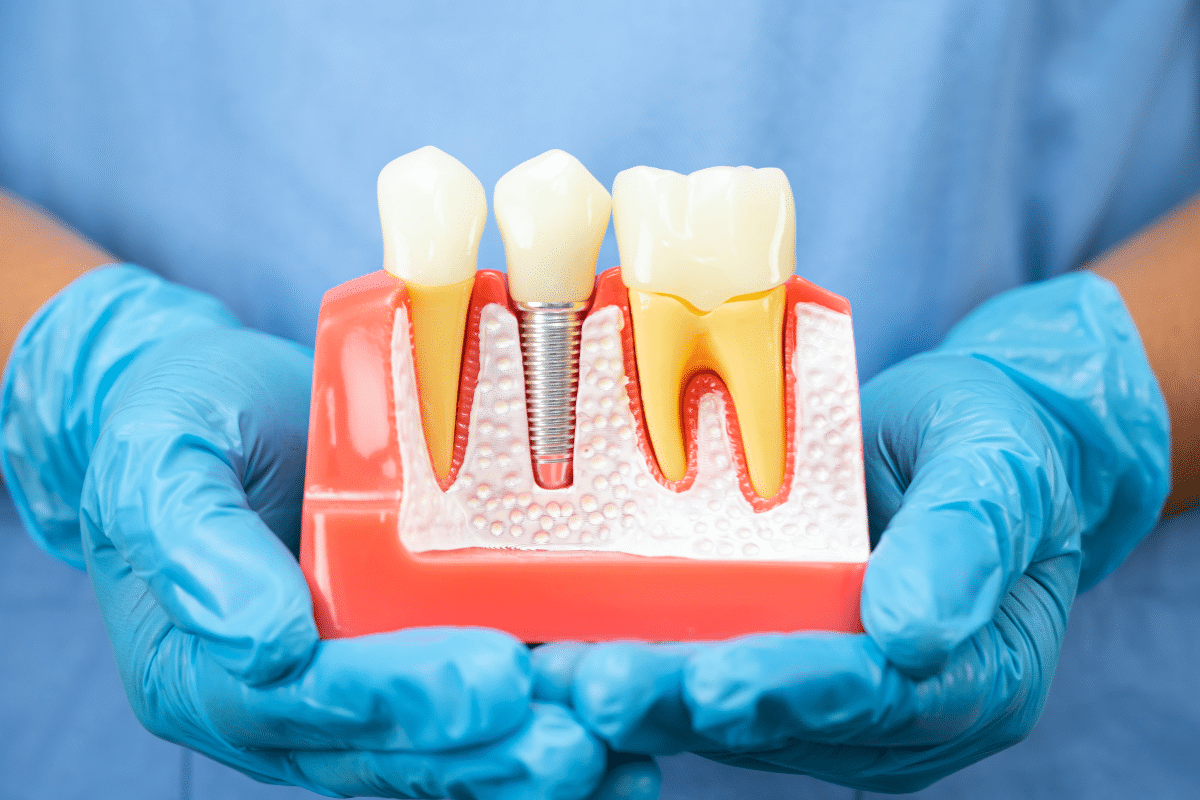
Dental implants are small titanium posts placed into the jawbone to replace missing tooth roots. Over time, the implant fuses with the bone in a natural process known as osseointegration. Once healing is complete, a custom crown is placed on top to restore appearance and function.
Mild tenderness and swelling are common for a few days after surgery. However, symptoms that persist, worsen, or appear months after placement may indicate a problem. Early detection is essential for preserving the implant and surrounding bone.
Persistent or Increasing Pain
Some discomfort after implant placement is expected. However, pain that continues beyond the normal healing period or becomes more intense should be evaluated.
Ongoing pain may suggest infection, inflammation, nerve involvement, or failure of the implant to integrate properly with the jawbone. Patients sometimes describe pressure when biting or a deep ache that does not improve. These symptoms should not be ignored.
Swollen or Bleeding Gums Around the Implant
Healthy gum tissue around a dental implant should look pink and feel firm after healing. Redness, swelling, or bleeding during brushing may indicate peri-implantitis, which is an inflammatory condition affecting the tissues that support the implant.
Signs to watch for include:
• Tenderness around the implant
• Bleeding during oral hygiene
• Persistent swelling
• Unpleasant taste
If left untreated, this condition can lead to bone loss around the implant. Routine dental visits allow for early identification and management of these changes.
Implant Mobility or Looseness
A successful implant should feel stable, similar to a natural tooth. If you notice any movement, it is important to schedule an examination promptly.
Sometimes the crown attached to the implant may feel loose while the implant itself remains stable. In other situations, actual implant mobility can signal bone loss or failure of integration. A professional evaluation can determine the exact cause.
Difficulty Chewing or Changes in Your Bite
Once healing is complete, chewing should feel comfortable and natural. If you experience pain while eating or notice changes in how your teeth come together, the implant may be under stress.
Bite misalignment, infection, or insufficient bone support can contribute to these symptoms. Early correction often prevents further damage and helps preserve the surrounding structures.
Gum Recession Around the Implant
Receding gum tissue may expose part of the implant post and affect both comfort and appearance. This can occur due to inflammation, aggressive brushing, or inadequate oral hygiene.
Maintaining proper home care and following guidance on how to care for your dental implants plays a vital role in preventing gum recession and protecting the supporting bone.
Signs of Infection
Infection remains one of the most common causes of implant complications. Symptoms may include swelling that does not subside, warmth around the area, discharge, or increasing pain.
Prompt treatment can often resolve the infection and protect the implant. Delaying care increases the risk of bone loss and potential implant removal.
Factors That May Increase the Risk of Failure
Implant dentistry has a high success rate, but certain conditions can increase the likelihood of complications. These include smoking, uncontrolled diabetes, poor oral hygiene, advanced gum disease, and insufficient bone density.
Before beginning dental implant treatment in Charlotte, a comprehensive evaluation helps determine whether additional procedures such as bone grafting are necessary. Careful planning supports long-term success.
When to Seek Professional Care
If you notice persistent discomfort, swelling, or any unusual symptoms around your implant, do not wait for the issue to resolve on its own. Early evaluation allows for conservative treatment options that may save the implant.
Regular checkups are equally important. Even if you feel fine, routine examinations help monitor bone levels and gum health around your restoration.
Conclusion
Dental implants are a reliable and long-lasting solution for replacing missing teeth, but they require proper monitoring and maintenance. The early warning signs of dental implant failure often include persistent pain, gum inflammation, implant looseness, difficulty chewing, and signs of infection. Addressing these symptoms promptly can protect your oral health and prevent more complex treatment in the future.
For individuals living in and around Charlotte, staying proactive with routine dental visits and attentive home care helps ensure that implant dentistry remains a durable and successful investment in your smile. If you have concerns about your implant or notice changes that feel unusual, scheduling a professional evaluation is the safest next step toward preserving your oral health.
FAQs
How do I know if my dental implant is failing?
Common warning signs include persistent pain, swelling that does not improve, bleeding around the gums, implant looseness, and discomfort while chewing. If your implant feels unstable or your gums look inflamed, it is important to schedule an evaluation as soon as possible.
Is it normal to have pain months after getting dental implants?
Mild soreness shortly after surgery is normal. However, pain that develops or continues months later is not typical and may indicate infection, inflammation, or implant instability. A dental exam can determine the cause.
Can a loose dental implant be fixed?
It depends on the cause. If only the crown is loose, it can often be tightened or replaced easily. If the implant post itself is loose due to bone loss or failed integration, additional treatment may be required. Early diagnosis improves the chances of saving the implant.
What causes dental implants to fail?
Dental implants can fail due to infection, poor oral hygiene, smoking, uncontrolled medical conditions such as diabetes, insufficient bone support, or excessive bite pressure. Proper planning and regular checkups significantly reduce these risks.
How can I reduce the risk of dental implant failure?
Maintaining excellent oral hygiene, brushing and flossing daily, attending regular dental checkups, avoiding smoking, and following your dentist’s instructions are key steps. Good home care plays a major role in long term implant success.