Book An Appointment



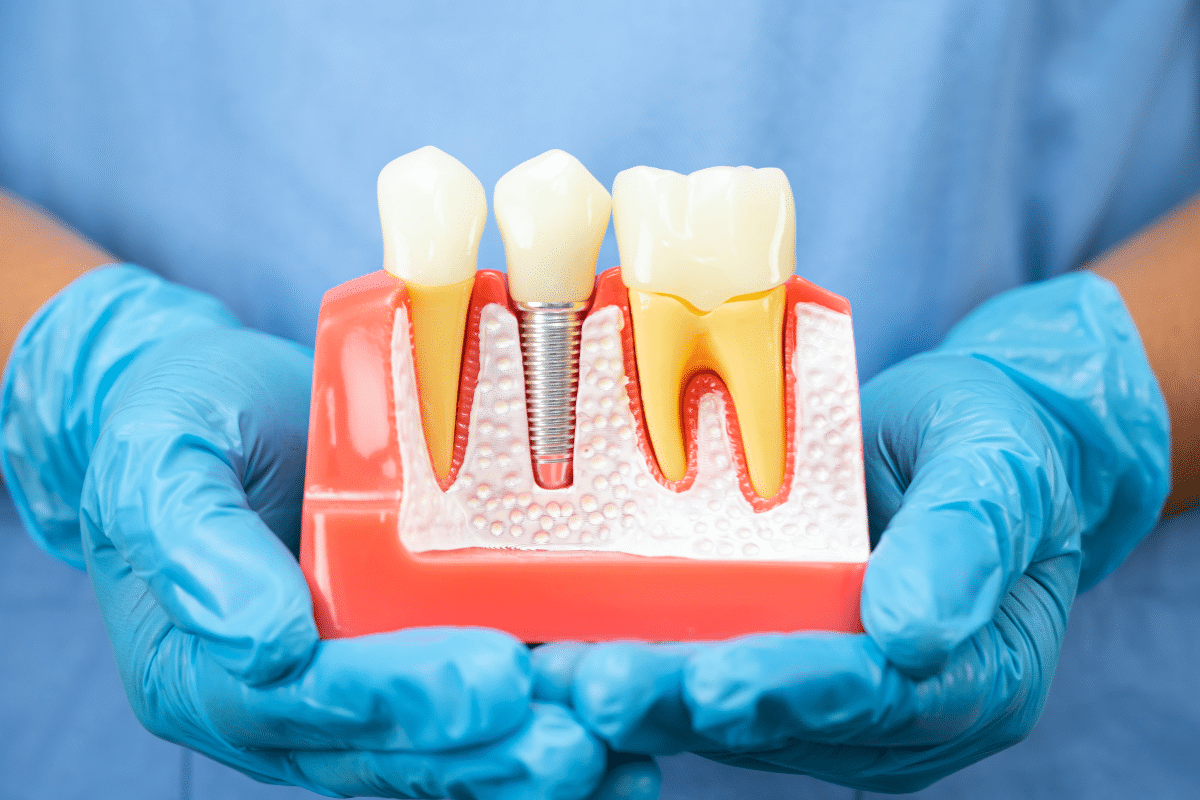
Dental implants have become a favorite option for replacing lost or damaged teeth. However, patients always ask us how long dental implants actually last compared to their natural teeth. This question is relevant, as dental implants are a significant investment, not just financially but also in terms of time.
Whether you’re thinking of getting dental implants or you already have them, this guide will help you with details of how long dental implants actually last when compared to your natural teeth.
The Lifespan of Dental Implants
Dental implants have a long lifespan, but this depends on several factors. The average lifespan is 25 to 30 years, or even longer if they are well cared for. Compared with other alternatives, such as bridges and dentures, the lifespan of dental implants is much longer, since bridges and dentures need to be replaced every 10 to 15 years.
Compared with natural teeth, implants have various factors that help determine how long they will last. While natural teeth are expected to last a lifetime with regular cleaning, dental implants are more durable due to their artificial structure.
Factors Determining The Longevity of Dental Implants
1. Quality of the Implant and Materials Used
The quality of the implant itself plays an essential part in determining its lifespan. Implants are usually manufactured from high-quality titanium or zirconia, which are durable and also biocompatible with your body. High-quality implants are also more likely to withstand wear and tear, thus lasting longer. The materials used also determine their lifespan. These materials can be either ceramic or porcelain.
In Charlotte, many residents enjoy spending time outdoors, so it is essential to choose dental implants that are not only strong but also able to withstand daily wear and tear.
2. Placement and Integration
The longevity of a dental implant depends on its integration with your jawbone, known as osseointegration. Once the implant is integrated, your jawbone will fuse with the titanium rod, providing a stable base for the implant or tooth. In such a case, if successful, it can last for many decades.
3. Oral Hygiene and Care
Though dental implants are made to be durable, they still need to be maintained, just like regular teeth. Poor oral hygiene can cause infection in the dental implant area, a condition called peri-implantitis, which can shorten the dental implant’s lifespan. Brushing and flossing the area around the dental implant, as you do for natural teeth, helps keep it healthy.
Since living in Charlotte may involve many social engagements focused on outdoor activities, it is crucial to maintain good oral hygiene and care for your dental implants to extend their lifespan.
4. Lifestyle Factors
A person’s lifestyle can also influence dental implants. Factors that may lead to dental implant failure include smoking, teeth grinding, and clenching. For instance, smokers are at a high risk of dental implant failure as a result of poor circulation of blood within their gums, thus affecting healing.
If you are a Charlotte resident with an active lifestyle, it is essential to keep teeth grinding in perspective to maintain the longevity of your implants. Another habit you need to keep in perspective is teeth grinding, especially when you are under stress.
How Long Do Natural Teeth Last?
Unlike dental implants, natural teeth can last a lifetime if properly maintained. Maintaining natural teeth involves brushing at least twice a day, flossing regularly, and visiting the dentist for routine check-ups. Avoiding the habit of chewing hard objects or smoking can help prevent tooth damage and decay.
Natural teeth are prone to decay, gum disease, and wear over time. As you get older, your teeth may become more susceptible to cavities and cracks, requiring fillings, crowns, or other restorative procedures. Moreover, gum recession and bone loss can affect the support of natural teeth and may lead to tooth loss.
As many Charlotte residents lead active lifestyles and social lives, it’s essential to take good care of their natural teeth by visiting a dentist regularly. Even with proper care, natural teeth tend to age and wear down, after which restorative treatments may be necessary, making implants a viable option for those who have lost teeth.
Comparing the Lifespan of Dental Implants to Natural Teeth
When comparing the lifespan of dental implants to that of natural teeth, note that both can last a lifetime if properly maintained. However, dental implants are more durable because they are artificial.
Natural Teeth: Natural teeth can last a lifetime with regular brushing and flossing and routine dental visits. They may decay, develop disease within the gums, or suffer trauma, needing restorative treatments like fillings, crowns, or root canals eventually.
Dental Implants: They are very durable and can last for more than 25 years when well cared for. As they are artificial teeth, they never develop cavities; nor does their material composition, titanium and zirconia, corrode easily. Still, they require periodic maintenance to prevent infection and ensure the implant remains firmly fixed in the jawbone.
A Lifetime of Strong and Reliable Teeth
We are dedicated to helping you preserve your natural teeth and, if needed, explore options for replacing missing teeth. Whether you need implants to replace a lost tooth or a complete set for your whole mouth, we can provide the personalized, high-quality care you deserve.
If you have any queries about dental implants in Charlotte or are considering replacing a tooth, please do not hesitate to schedule an appointment with Dentistry of Uptown Charlotte. We are always ready to help the residents of Charlotte and the nearby areas to keep their teeth healthy and beautiful for a lifetime.
FAQs
How long do dental implants typically last?
Dental implants are designed to be a long-term solution because, with regular dental and gum care, they can last 25 years or more. Many patients can maintain their dental implants for a lifetime because they can take very good care of them and manage conditions that could alter them, like smoking and teeth grinding.
Can natural teeth last longer than dental implants?
Natural teeth can last a lifetime if they remain healthy and free of decay or injury. However, teeth are more prone to cavity formation. Unlike teeth, dental implants do not decay, so they last longer even when the teeth are unhealthy.
What factors can shorten the lifespan of dental implants?
Poor dental habits, such as smoking, uncontrolled periodontal disease, and teeth grinding, may shorten the lifespan of dental implants. Lack of sufficient bone support or neglecting dental visits may also lead to problems.
Do dental implants require special cleaning tools?
Dental implants are not complicated to care for, but they do require daily care. Brushing your teeth twice daily, flossing, and sometimes using interdental brushes or water flossers can help maintain healthy gums and prevent infections around implants.
Will dental implants feel different from natural teeth over time?
Since dental implants are fixed in the mouth, patients feel a sense of stability that is not found with any other form of tooth replacement.